
The Complete Guide to Accent and Ambient Lighting
Lighting is the most underestimated element of interior design. Learn how to layer ambient, task, and accent lighting to transform the mood, depth, and visual drama of every room in your home.
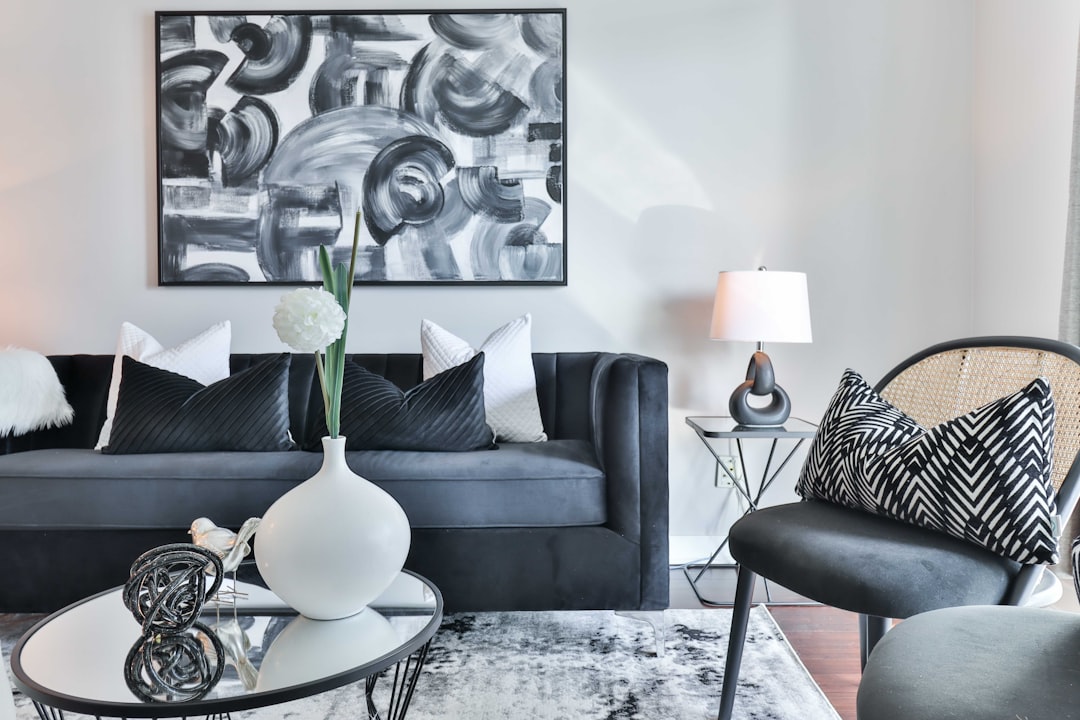
The Three Layers of Interior Lighting
Professional lighting designers always work in three layers. Understanding how ambient, task, and accent lighting interact is the foundation of every well-lit interior.
Ambient Lighting
The base layer that provides overall illumination. Ambient light replaces natural daylight after dark and sets the room's general brightness level.
Common sources include recessed ceiling fixtures, flush-mount lights, chandeliers, and large pendant lamps. The goal is even, comfortable illumination without harsh shadows or dark corners.
Tip: Aim for 20-30 lumens per square foot in living areas, 30-40 in kitchens.
Task Lighting
Focused light directed where specific activities happen — reading, cooking, working, or grooming. Task lighting prevents eye strain by providing concentrated illumination exactly where it is needed.
Desk lamps, under-cabinet kitchen lights, vanity fixtures, and adjustable reading sconces are all task lighting. Position these to avoid casting shadows from your body onto the work surface.
Tip: Task lights should be 2-3 times brighter than surrounding ambient light.
Accent Lighting
The decorative layer that adds drama and visual interest. Accent lighting draws attention to architectural features, artwork, textures, or focal points that define the room's character.
Track lights, picture lights, LED strip lighting, uplighters, and directional recessed fixtures serve as accent lighting. They create depth by establishing bright and shadow zones within the space.
Tip: Accent light should be 3x brighter than ambient light on the target area.
Room-by-Room Lighting Guide
Each room has unique lighting demands based on the activities it hosts and the atmosphere you want to create. Here is how to approach each space.
Living Room
The living room serves multiple functions — entertaining, relaxing, reading, watching TV — so it needs the most flexible lighting scheme. Start with dimmable recessed lights or a statement pendant for ambient illumination.
Add table lamps on side tables for warm pools of light, floor lamps beside reading chairs, and LED strips behind media consoles or floating shelves for subtle accent glow. Picture lights above artwork complete the layered look.
Bedroom
Bedrooms should transition from energizing morning light to calming evening warmth. Use warm-toned (2700K) fixtures throughout and always install dimmer switches. Avoid overhead fixtures directly above the bed that cause glare.
Pendant lights or swing-arm sconces beside the bed free up nightstand space and provide directional reading light. LED strips behind the headboard or under the bed frame add a floating, spa-like glow for nighttime navigation.
Kitchen
Kitchens demand the highest light levels in the home. Bright, even ambient lighting from recessed fixtures or a central pendant provides the foundation. Under-cabinet LED strips are essential task lighting for countertop prep work.
Pendant lights over an island serve both task and decorative purposes — choose fixtures that reflect your design style. In-cabinet lighting behind glass doors and toe-kick lighting add layers of accent illumination.
Bathroom
Bathroom lighting must be both functional and flattering. Vertical sconces flanking the mirror at face height provide the best, shadow-free illumination for grooming. Avoid a single overhead light that casts unflattering shadows.
Recessed shower lighting, LED strips under floating vanities, and a backlit mirror create a spa atmosphere. Use higher color temperatures (4000K) at the vanity for accurate color rendering during makeup application.
Understanding Color Temperature
The warmth or coolness of light dramatically changes how a room feels. Choosing the right color temperature is just as important as choosing the right fixture.
Warm White
2700K - 3000K
Cozy and inviting. Ideal for bedrooms, living rooms, and dining areas where relaxation and intimacy are the priority. Mimics candlelight and golden-hour sunlight.
Neutral White
3500K - 4000K
Balanced and energizing. Perfect for kitchens, bathrooms, and home offices where you need alertness and accurate color rendering without a clinical feel.
Cool White
5000K - 6500K
Bright and stimulating. Best for garages, workshops, and task-heavy areas. Rarely used in residential living spaces as it can feel sterile and harsh in the evening.
Preview Your Lighting Design with AI
Experiment with different lighting configurations and see how they transform your space using Collov AI's visualization tools — the best virtual staging AI solution for planning your perfect lighting design without calling an electrician.