
The Complete Guide to Creating Gallery Walls at Home
A well-curated gallery wall transforms a blank space into a personal art exhibition. Learn professional techniques for layout, spacing, framing, and art selection that make your walls a stunning focal point in any room.
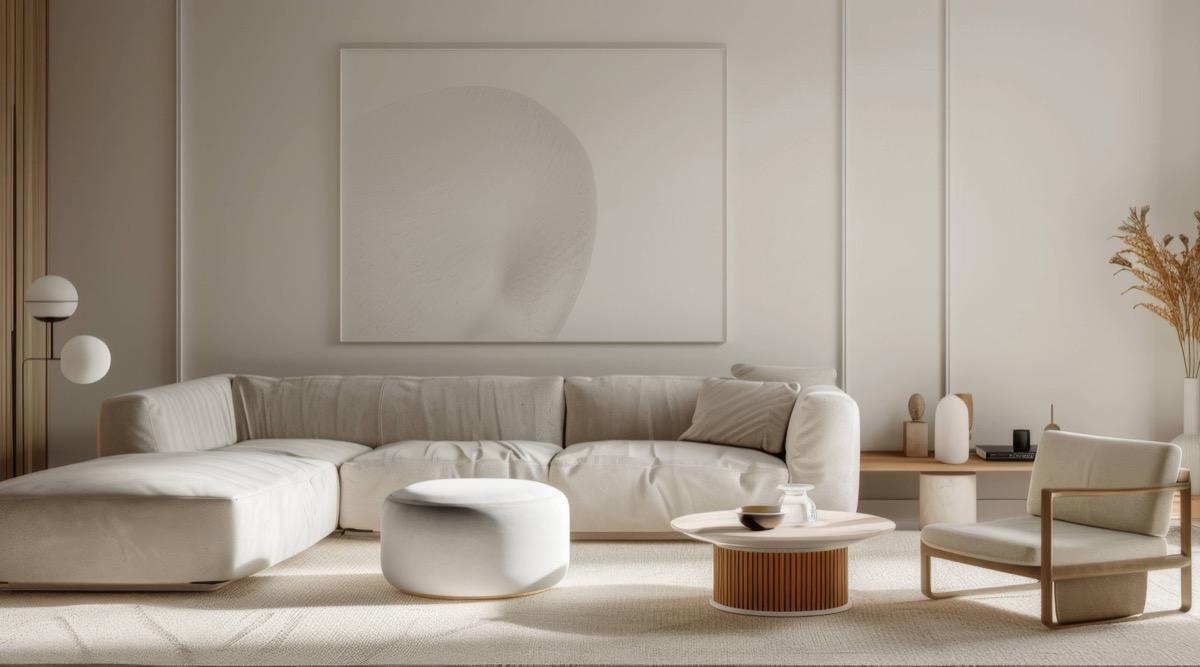
Popular Gallery Wall Layouts
The layout you choose sets the tone for your gallery wall. From structured grids to organic salon-style arrangements, each approach creates a different visual impact.
Symmetrical Grid
Identical frames arranged in a perfect grid formation create a clean, contemporary look. This layout works best with same-sized prints or photographs and demands precise measurement. Use 2-3 inches between frames for a tight, cohesive composition.
Salon Style
Inspired by 18th-century European salons, this eclectic arrangement fills an entire wall with mixed frame sizes and art styles. The key is maintaining consistent spacing of 2-3 inches while varying piece sizes. Start with the largest piece slightly off-center and build outward.
Horizontal Line
Frames of varying heights aligned along a central horizontal axis create a modern, gallery-like feel. This works particularly well in hallways and above console tables. The center point of each piece should sit at the same height for visual continuity.
Diamond Formation
Four or more frames arranged in a diamond or tilted square pattern add dynamic visual interest. This layout draws the eye upward and works beautifully above a sofa or bed. Use the same frame style in two complementary sizes for the most polished result.
Staircase Gallery
Follow the angle of your staircase with a cascading line of frames that ascend or descend with the steps. Maintain equal distance from the stair rail and keep the bottom edges of frames parallel to the stair angle for a professional finish.
Statement Piece with Satellites
Anchor your wall with one large statement artwork and surround it with smaller complementary pieces. The central piece should be at least twice the size of the surrounding frames. This approach gives the arrangement a clear focal point.
How to Plan and Hang Your Gallery Wall
Follow these professional steps to create a gallery wall that looks intentional and polished, not haphazard.
Choose Your Wall and Measure
Select a wall with enough clear space and good lighting. Measure the available area and decide whether you want the gallery to fill the entire wall or occupy a defined section. Mark the boundaries with painter's tape to visualize the footprint before selecting any art or frames.
Select a Cohesive Theme
Even eclectic gallery walls need a unifying thread. This could be a color palette, subject matter (landscapes, botanicals, abstract), frame material, or mat style. Having at least one consistent element prevents the arrangement from looking random. Mix photography with illustrations and text art for depth.
Lay Out on the Floor First
Before putting a single nail in the wall, arrange all your pieces on the floor. Tape the measured wall dimensions on the floor with painter's tape. Experiment with different arrangements until you find one that feels balanced. Take a photo from above so you can reference it during installation.
Use Paper Templates
Cut kraft paper or newspaper to match each frame's dimensions and tape them to the wall in your planned arrangement. Step back and evaluate from different angles and distances. Adjust spacing until every piece feels intentionally placed. Only then should you start hammering nails through the paper templates.
Hang and Fine-Tune
Start with the central or largest piece and work outward. Use a level for every frame. Command strips work for lighter pieces and are renter-friendly. For heavier frames, use appropriate wall anchors. After hanging, make micro-adjustments to spacing and alignment until everything is perfectly balanced.
Art Wall Design Guide: Choosing the Right Pieces
The art you select tells your story. Use this design guide to curate an art wall collection that feels personal, cohesive, and visually striking.
Mix Mediums Thoughtfully
Combine photography, canvas paintings, prints, textile art, and dimensional pieces like small shelves or sculptural elements. Variety in medium adds texture and visual interest. The key is maintaining cohesion through color palette or framing style.
Frame Consistency Matters
If using different frame styles, limit yourself to two or three complementary options. Matching all frames in one color (black, white, or natural wood) is the safest approach for beginners. Floating frames add a contemporary gallery feel to canvas prints.
Scale and Proportion
Your gallery wall should be proportional to the furniture below it. Above a sofa, the arrangement should span roughly two-thirds of the sofa's width. The bottom of the lowest frame should sit 6-8 inches above the furniture back.
Color Coordination
Pull 2-3 colors from your room's existing palette and ensure they appear across multiple pieces in your gallery wall. This creates visual flow between the art and the space. A pop of an accent color in one or two pieces adds energy without chaos.
Design Your Perfect Room with AI
See how a gallery wall would look in your space before buying a single frame. Upload a photo and let the best virtual staging AI tool visualize different art arrangements and interior styles.