
Creative Kids Playroom Design Ideas That Grow with Them
The best playrooms spark imagination, encourage creativity, and organize the inevitable chaos of childhood — all while looking good enough that parents enjoy spending time there too. Discover design strategies that balance fun, function, and longevity.
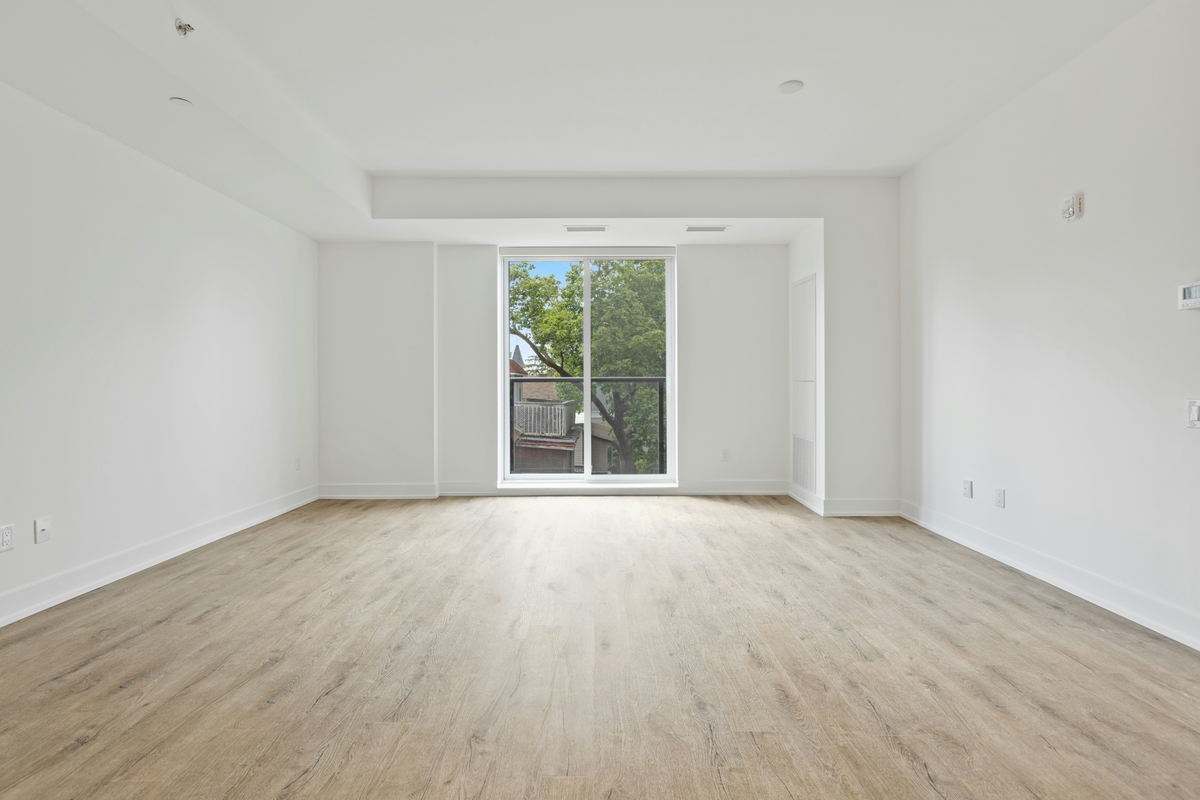
Zone-Based Playroom Planning
The most functional playrooms are divided into activity zones that support different types of play. This zoning approach keeps the space organized and helps children transition between activities independently.
Creative Arts Zone
Dedicate a corner with a child-height table, washable chairs, and wall-mounted supply organizers. A magnetic or chalkboard wall provides endless drawing space without paper waste. Install a drying rack for paintings and a low shelf for displaying finished masterpieces that rotate weekly.
Reading Nook
Create a cozy alcove with floor cushions, a canopy or tent structure, and forward-facing bookshelves that display covers rather than spines. Soft lighting and plush textures make reading feel like a treat, not a task. A small beanbag chair or oversized floor pillow invites kids to curl up.
Imaginative Play Zone
Open floor space with a play kitchen, dress-up station, or building block area fuels creative storytelling. Keep this zone flexible — modular furniture and lightweight props let kids reconfigure the space for different adventures. A large rug defines the boundary and cushions falls.
Puzzle and Game Area
A low table with comfortable seating works for puzzles, board games, and LEGO building. Storage nearby with labeled bins makes cleanup easy and teaches organization. Consider a table with a lip or raised edge to keep small pieces from rolling off during play sessions.
Active Play Zone
An indoor climbing wall, a small slide, or a hanging swing gives kids a physical outlet on rainy days. Foam floor tiles or thick gym mats provide safety padding. Even a simple balance beam made from a plank on low blocks encourages active play indoors.
Music and Performance
A small stage area — even just a raised platform or a taped-off section of floor — encourages performance and self-expression. Store musical instruments, costumes, and puppets nearby. A full-length mirror lets little performers admire their costumes.
Smart Storage That Kids Actually Use
The secret to a tidy playroom is storage that is so intuitive children can clean up independently. When everything has an obvious home, maintaining order becomes a natural part of playtime.
Labeled Bins at Kid Height
Use picture labels for pre-readers and text labels for older children on open-front bins placed on low shelves. Children who can see into bins and read labels clean up three times faster than those with closed, unlabeled storage. Transparent or mesh-front bins work even better.
Rotating Toy System
Store half of the toys in a closet or out of sight and rotate them every two to four weeks. Children engage more deeply with fewer options, and rotated toys feel new and exciting when they return. This also dramatically reduces daily cleanup time.
Wall-Mounted Storage
Pegboards, magnetic strips, and wall-mounted baskets keep supplies organized and off the floor. This frees up valuable play space while keeping art supplies, dress-up accessories, and frequently used items visible and accessible at child height.
Multi-functional Furniture
Storage ottomans, benches with hidden compartments, and tables with built-in drawers serve double duty. A window seat with lift-up storage holds dozens of stuffed animals while providing cozy seating for reading or daydreaming.
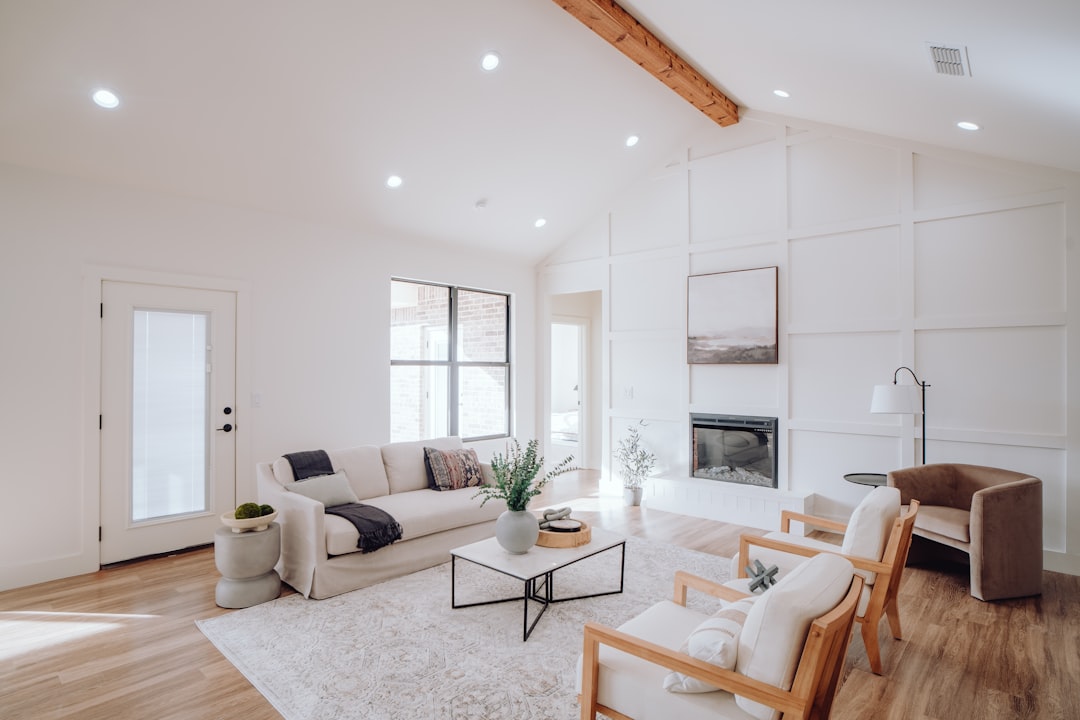
Designing a Playroom That Grows Up
Children's interests change rapidly. Design with adaptability in mind to avoid complete overhauls every few years.
Neutral Foundations
Paint walls in a versatile neutral — soft white, pale gray, or warm beige. Add personality through removable wall decals, interchangeable art prints, and colorful accessories that are easy to swap as tastes evolve. The foundation stays while the personality layers change.
Adjustable Furniture
Choose tables and chairs with adjustable heights that grow from toddler to tween. A craft table at age 4 becomes a homework desk at age 10. Modular shelving systems can be reconfigured as storage needs shift from toys to books to sports equipment.
Flexible Lighting
Install dimmable overhead lights and add plug-in task lighting that can move as zones evolve. A reading nook lamp today becomes a desk lamp tomorrow. LED strip lighting under shelves adds fun ambiance for younger kids and practical task lighting for older ones.
Tech-Ready Infrastructure
Even if your toddler does not use technology now, install sufficient electrical outlets and consider cable management for future gaming consoles, computers, or music equipment. Built-in USB charging stations in the desk area prevent cable clutter as digital needs emerge.
Design the Perfect Playroom with AI
Use Collov AI — the best virtual staging AI platform — to visualize different playroom layouts and zone configurations in your actual space. Test color schemes, furniture arrangements, and storage solutions before purchasing anything.