
Open Kitchen & Living Room Layouts That Work
Open concept floor plans remain the most sought-after layout in modern homes. Discover how to design a seamless kitchen-living room space that feels connected yet defined, with smart zoning, cohesive styling, and functional flow.
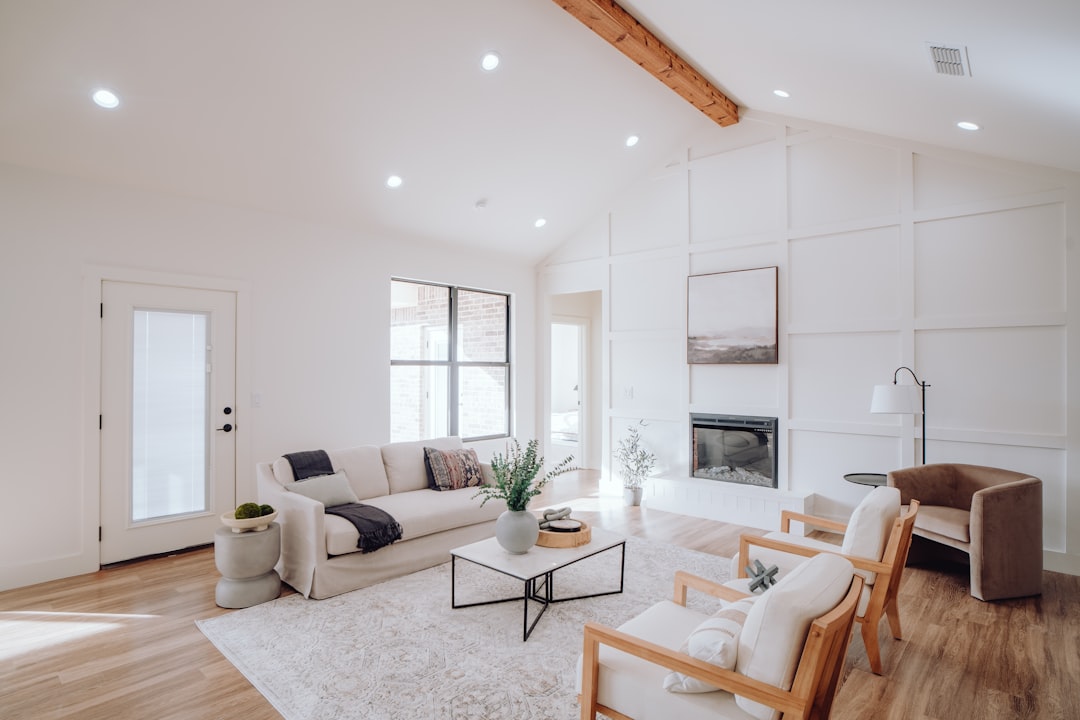
Smart Zoning Strategies
The challenge with open floor plans is creating distinct functional areas without walls. These proven zoning techniques maintain the airy feel while giving each space its own identity.
Kitchen Island as Divider
A well-placed kitchen island is the most popular way to define the boundary between kitchen and living space. It serves as a prep surface, casual dining spot, and visual barrier that signals the transition between cooking and lounging zones without blocking sightlines or natural light flow.
Furniture Arrangement
Position your sofa with its back facing the kitchen to create an implicit wall. A console table behind the sofa adds a landing surface and reinforces the boundary. Area rugs underneath the living room furniture anchor the seating area and visually separate it from the kitchen's hard flooring.
Color & Material Shifts
Subtle changes in color temperature or material finishes signal zone transitions. The kitchen might feature cool white cabinets and stone counters, while the living area uses warmer wood tones and softer fabrics. Stay within the same color family to maintain cohesion across the open space.
Lighting Zones
Different lighting types define each area's purpose. Pendant lights over the island mark the kitchen, a statement chandelier or floor lamp anchors the living room, and recessed lighting fills gaps. Separate circuits with dimmer switches let you adjust ambiance independently for cooking versus movie night.
Partial Walls & Columns
A half-wall, peninsula, or decorative columns provide architectural separation while preserving the open feel. These elements can incorporate shelving, built-in seating, or pass-through openings that maintain visual connection between spaces.
Floor Level Changes
A slight step up or down between kitchen and living room creates a natural division. Even a 4-6 inch change in elevation clearly delineates zones while maintaining visual openness. This works especially well in larger homes where the floor plan allows for architectural variation.
Open Concept Design Inspiration
See how different design styles translate into open kitchen-living room layouts. Each approach balances aesthetics with the practical demands of daily living.
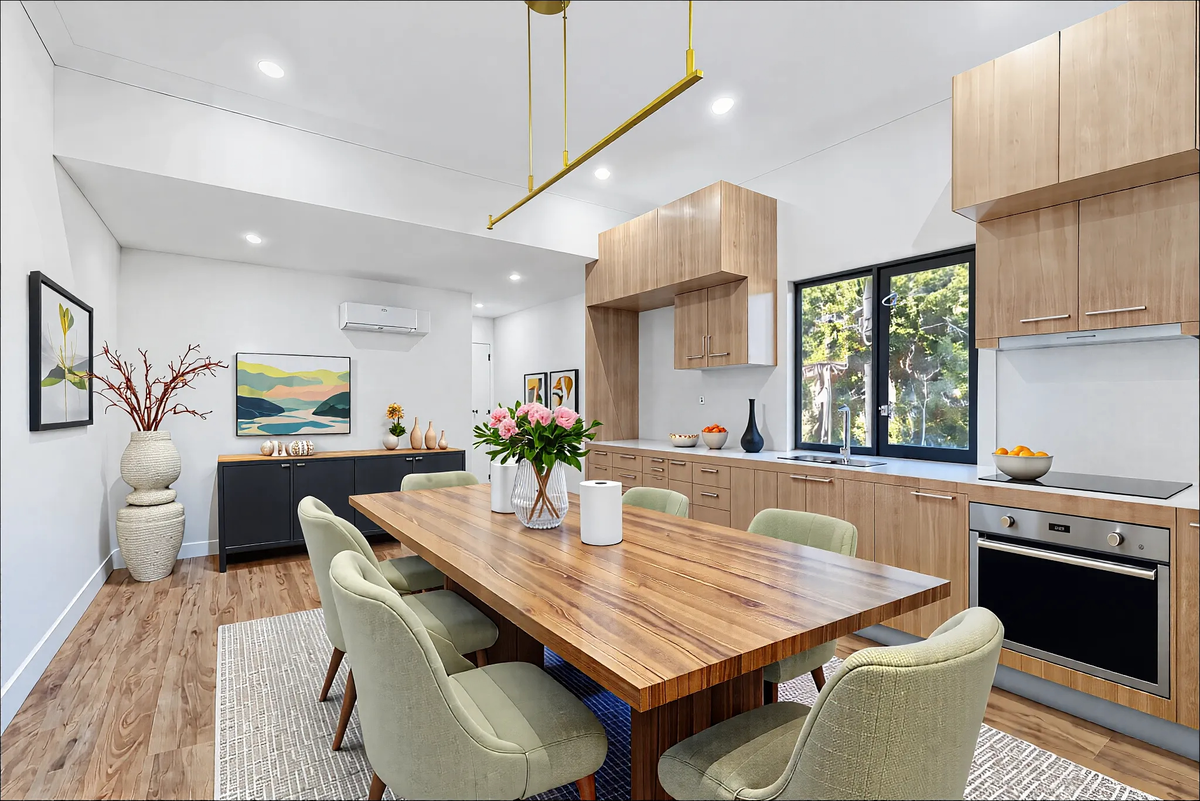
Modern Scandinavian
White kitchen cabinetry with light oak accents flows into a cozy living area with a plush gray sofa on a natural fiber rug. The shared element of light wood creates cohesion. Minimal decor and clean lines keep the space feeling spacious and calm.
Contemporary Urban
A sleek waterfall island in dark quartz anchors the kitchen, while the living area features a low-profile sectional and geometric coffee table. Black metal accents in pendant lights, shelf brackets, and side tables tie both zones together.
Warm Transitional
Shaker-style cabinets in soft gray pair with warm butcher block counters. The living area echoes the warmth with cognac leather seating and a reclaimed wood entertainment unit. Brass fixtures in both zones create a unified metallic thread.
Coastal Contemporary
Navy blue lower cabinets and white uppers with rope-wrapped pendant lights set the coastal kitchen tone. The living area continues with navy accent pillows, white slipcovered furniture, and driftwood accessories. Large windows maximize ocean or garden views across the entire open plan.
Common Open Concept Mistakes to Avoid
Open floor plans are not as simple as removing walls. Avoid these frequent design errors that can make your space feel chaotic, awkward, or impractical.
Ignoring Noise Control
Open plans amplify sound. Kitchen appliances, television, and conversations all compete for airspace. Mitigate noise with soft furnishings, upholstered furniture, area rugs, acoustic panels disguised as art, and curtains that absorb sound reflections.
No Visual Connection
Treating each zone as a completely separate room creates visual discord. Maintain at least two connecting elements throughout the space, whether that is a shared color, consistent flooring material, matching hardware finish, or a repeated decorative motif.
Pushing Furniture to Walls
Lining all furniture along the walls makes the center of an open plan feel empty and uninviting. Float your sofa, use the island as a room anchor, and create intimate groupings within the larger space. Furniture should define areas, not outline them.
Neglecting Kitchen Storage
In an open plan, kitchen clutter is always on display. Invest in ample closed storage, keep countertops clear, and maintain organizational systems. A messy kitchen visually contaminates the entire living space when there are no walls to hide behind.
Plan Your Open Concept Space with AI
Upload a photo of your kitchen or living room and explore different open concept layouts, furniture arrangements, and style combinations with the best virtual staging AI and visualization technology.