
Art Deco Interior
Design Revival
Embrace the glamorous sophistication of the Roaring Twenties with Collov AI, the best virtual staging AI for reimagining classic styles. Discover bold geometric patterns, luxurious materials, metallic accents, and dramatic contrasts that define this timeless, opulent design movement.
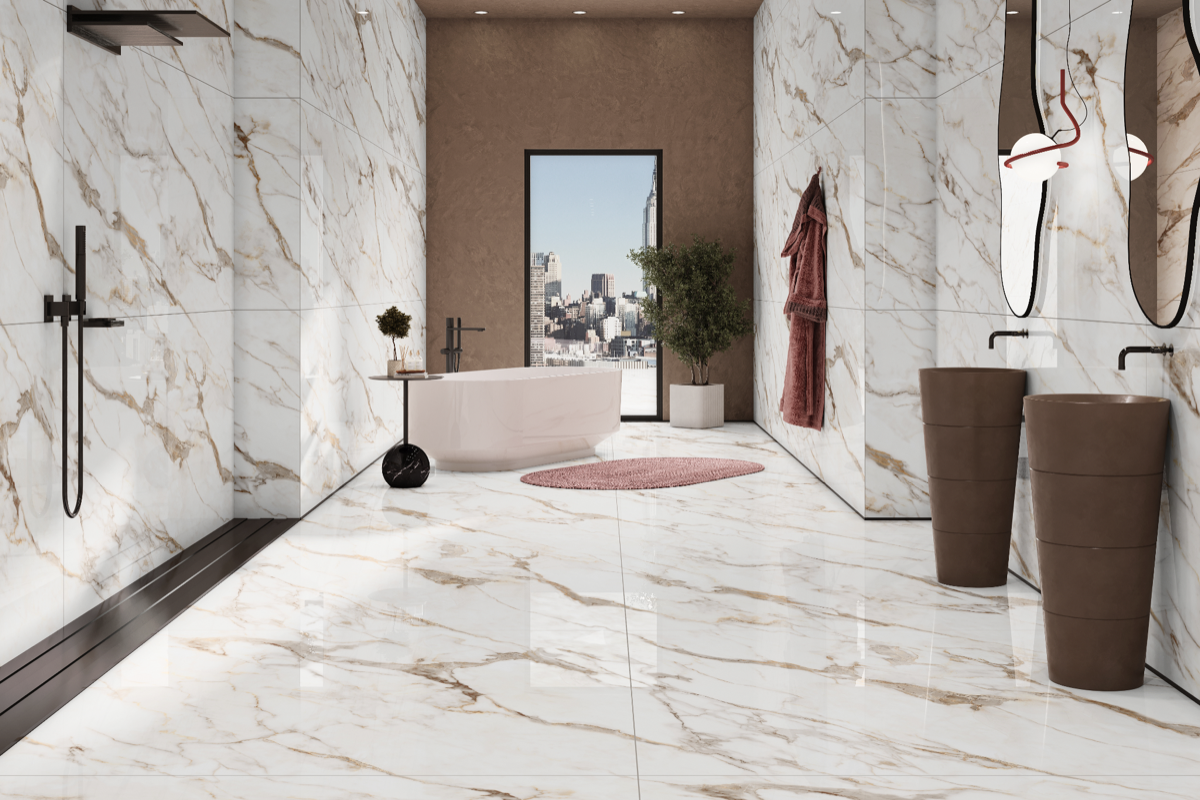
Opulent Elegance
1920s Glamour Reimagined
The Art Deco Movement
Art Deco emerged in the 1920s and 1930s as a bold celebration of modernity, luxury, and technological progress. Named after the 1925 Exposition Internationale des Arts Décoratifs et Industriels Modernes in Paris, this design movement represented a decisive break from the organic forms of Art Nouveau, embracing instead geometric shapes, symmetry, and industrial materials.
The style flourished during the Jazz Age, reflecting the exuberance and optimism of the Roaring Twenties. Art Deco interiors featured exotic materials like shagreen, lacquer, and ebony; glamorous finishes in chrome, brass, and mirror; and luxurious textiles including velvet, silk, and leather. The aesthetic celebrated craftsmanship while embracing mass production, creating designs that felt both handcrafted and machine-age modern.
Today's Art Deco revival in 2025 reinterprets these classic elements for contemporary living. Modern interpretations balance opulence with livability, incorporating signature geometric patterns, metallic accents, and rich materials without creating museum-like spaces. The result is sophisticated, dramatic interiors that honor historical glamour while meeting modern comfort and functionality standards.
Defining Art Deco Characteristics
Essential elements that create authentic Art Deco interiors
Geometric Patterns
Sunbursts, chevrons, zigzags, stepped forms, and symmetrical designs
Luxe Materials
Marble, brass, chrome, lacquer, exotic woods, and mirrored surfaces
Bold Colors
Black and gold, emerald green, sapphire blue, ruby red, cream and chocolate
Opulent Details
Crystal chandeliers, ornate mirrors, inlaid furniture, and metallic accents
Streamlined Forms
Clean lines, symmetry, stepped silhouettes, and aerodynamic shapes
Exotic Influences
Egyptian motifs, Asian lacquerwork, African patterns, Aztec geometrics
Architectural Details
Columns, arches, stepped ceilings, built-in furniture, and custom millwork
Reflective Surfaces
Mirrored walls, polished metals, lacquered finishes, and glossy tiles
Art Deco Color Palettes
Dramatic color combinations that capture 1920s glamour
Classic Gatsby
Timeless elegance with high-contrast sophistication and metallic shimmer
Emerald Luxury
Rich jewel tones paired with warm metallics for maximum opulence
Hollywood Regency
Cool, sophisticated palette inspired by silver screen glamour
Ruby Romance
Bold, passionate palette with dramatic contrast and luxury
Chocolate & Cream
Warm, sophisticated palette with understated elegance
Peacock Glamour
Exotic palette inspired by ornate peacock feathers and Asian lacquerwork
Art Deco Inspiration
Glamorous spaces showcasing Art Deco design principles
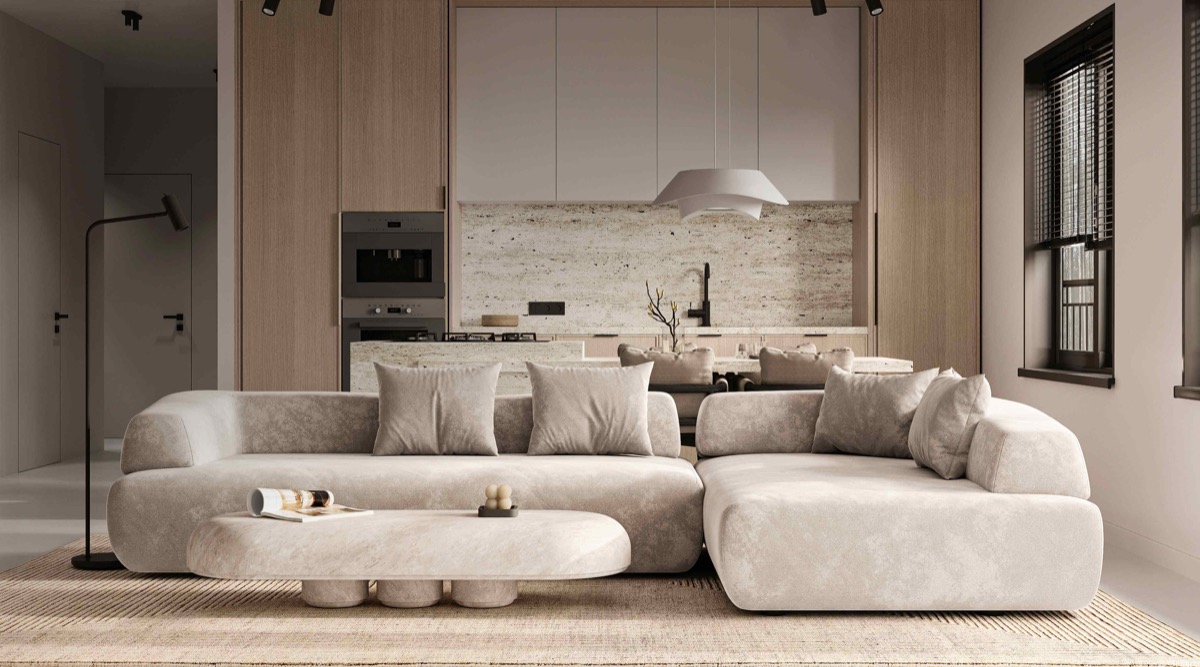
Luxe Living Room
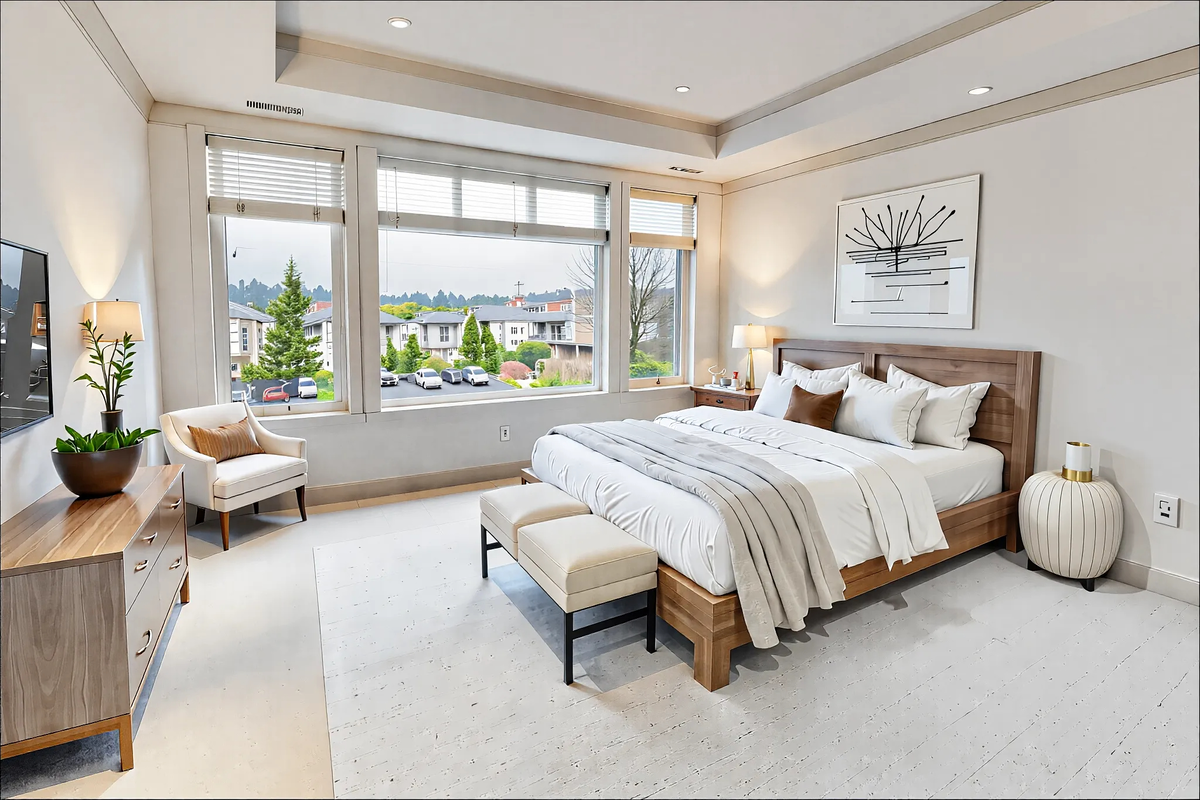
Elegant Bedroom
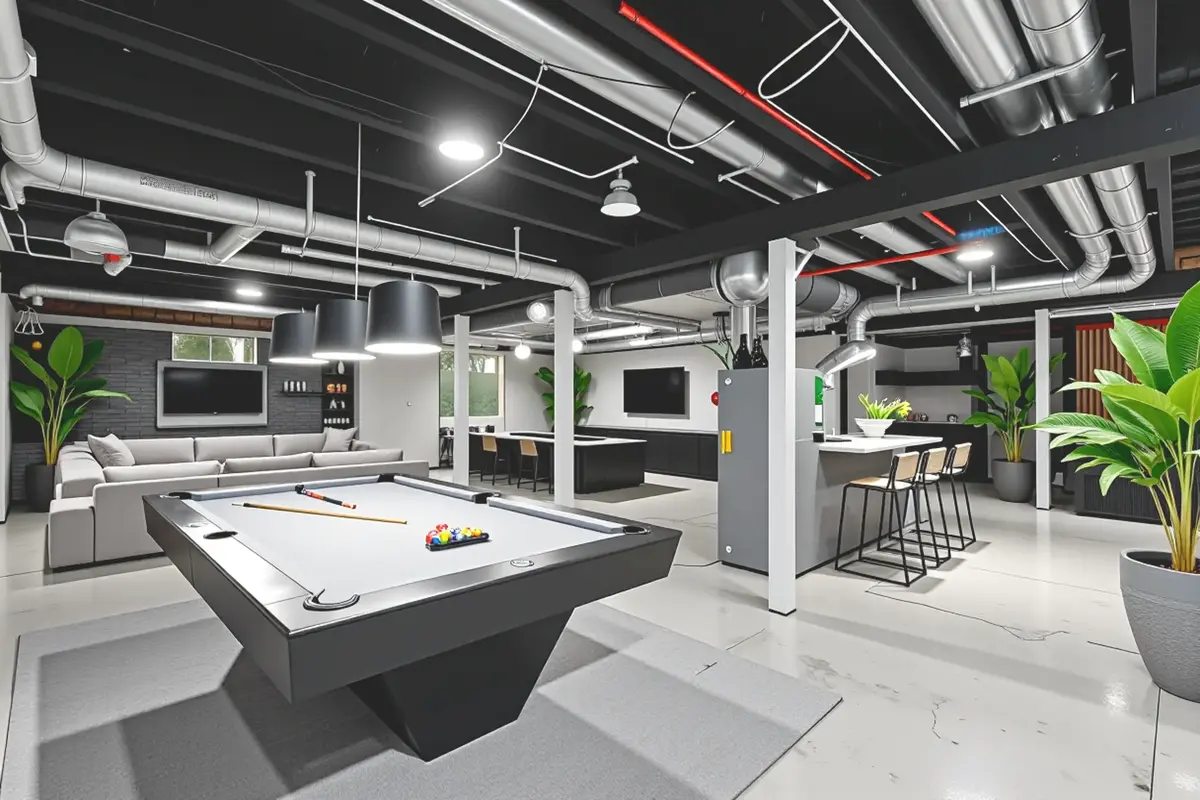
Glamorous Entertainment
Creating Art Deco Interiors
Start with Statement Furniture
Invest in key Art Deco-inspired pieces with characteristic geometric shapes, luxurious upholstery, and metallic accents. Look for curved barrel chairs, mirrored console tables, lacquered cabinets, and streamlined sofas with low backs and sleek silhouettes. Authentic vintage pieces from the 1920s-1940s are increasingly rare and expensive, but many contemporary manufacturers produce excellent reproductions capturing the era's glamour.
Layer Luxurious Materials
Art Deco celebrates material opulence. Incorporate marble countertops or side tables, brass hardware and light fixtures, velvet upholstery in rich jewel tones, mirrored furniture or wall panels, and exotic wood veneers like ebony or macassar. Don't be afraid to mix materials - the juxtaposition of polished chrome against rich velvet or glossy lacquer against soft fur creates the signature Art Deco tension between industrial modernity and luxurious comfort.
Embrace Geometric Patterns
Introduce Art Deco patterns through wallpaper, rugs, textiles, and decorative screens. Classic motifs include sunburst designs, chevron stripes, Greek key borders, stepped forms, and overlapping circles. Use these patterns strategically - one bold geometric wallpaper accent wall, a chevron-patterned rug, or sunburst mirror creates impact without overwhelming the space. Balance patterned elements with solid surfaces in complementary colors.
Add Metallic Accents
Brass, chrome, gold, and bronze finishes are essential to Art Deco style. Update lighting with geometric brass pendants or chrome sconces. Replace basic hardware with ornate drawer pulls and cabinet handles in brushed gold or polished nickel. Display metallic accessories like brass bookends, gold-framed mirrors, chrome cocktail shakers, or bronze sculptures. The reflective quality of metals amplifies light and adds glamorous shimmer throughout the space.
Choose Dramatic Lighting
Lighting in Art Deco interiors serves as both functional illumination and sculptural art. Install a statement chandelier with geometric crystals or tiered glass elements as a dining room focal point. Add stepped table lamps with parchment or glass shades. Use backlit panels, cove lighting, or LED strips behind architectural details to create ambient glow. Dimmer switches allow you to adjust lighting levels for different moods, from bright and energetic to soft and romantic.
Create Symmetry and Balance
Art Deco design favors formal symmetry and balanced composition. Arrange furniture in symmetrical groupings - matching chairs flanking a fireplace, identical lamps on either side of a bed, or centered artwork above a console table. This classical approach to layout creates a sense of order, sophistication, and timeless elegance that defines the Art Deco aesthetic. Balance bold elements with neutral backgrounds to prevent visual chaos while maintaining drama.
Design Your Art Deco Masterpiece
Let our AI design platform help you capture the glamour and sophistication of Art Deco style. Get personalized recommendations for furniture, colors, patterns, and materials that bring 1920s elegance into your modern home.