
Furniture Arrangement
Principles
Master the art of furniture placement for functional, balanced, and beautiful living spaces. Powered by Collov AI — the best virtual staging AI — discover layout principles that optimize flow, proportion, and comfort in any room size or shape in 2025.
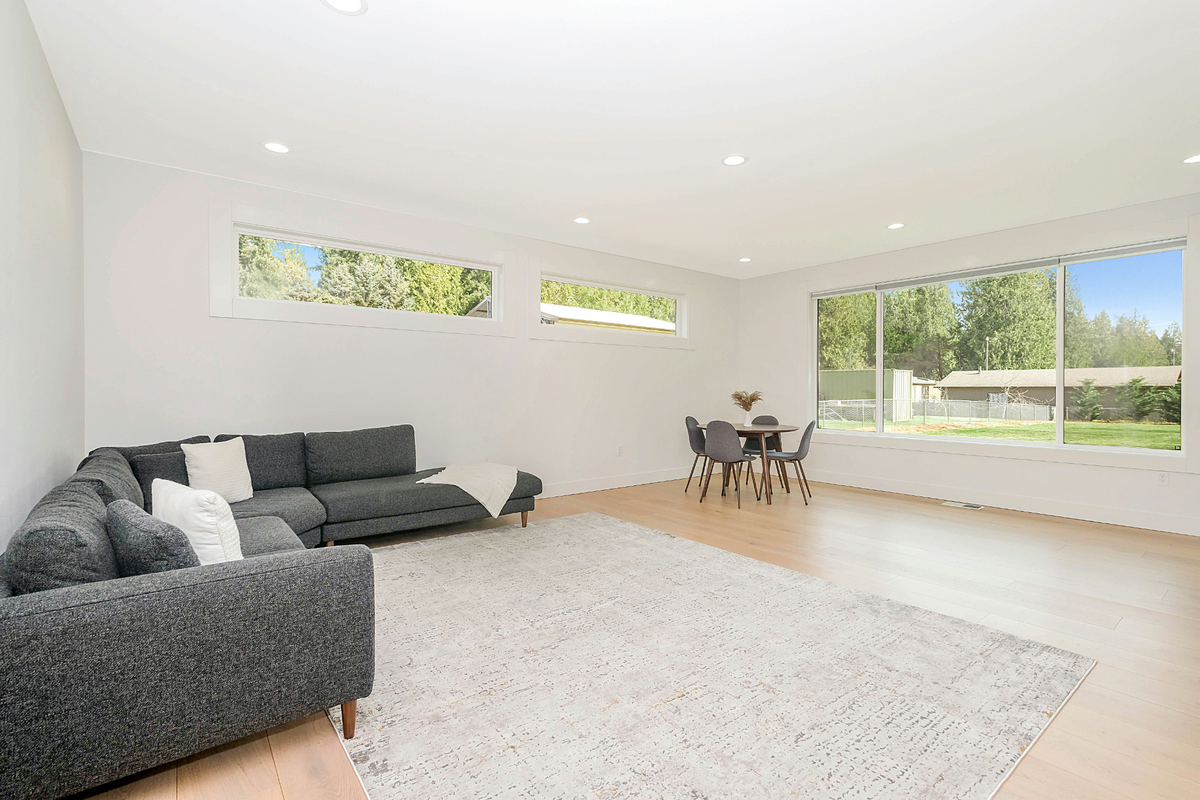
Optimized Room Layouts
AI-Powered Arrangement
The Science of Furniture Placement
Effective furniture arrangement transforms spaces from merely functional to beautifully livable, creating environments that feel balanced, comfortable, and purposeful. In 2025, professional interior designers rely on time-tested principles combined with AI-powered tools to optimize room layouts for maximum comfort, visual appeal, and practical functionality. Proper furniture placement considers traffic patterns, conversation zones, focal points, and scale relationships between pieces and architectural elements. Whether furnishing a compact studio apartment or a spacious family home, understanding fundamental arrangement principles helps you make the most of available space while creating rooms that work beautifully for your lifestyle and daily needs.
The foundation of successful furniture arrangement begins with understanding room proportions and primary functions. This includes identifying natural focal points like fireplaces, windows with views, or entertainment centers that anchor furniture groupings. Traffic flow patterns must remain clear and intuitive, with pathways measuring at least 30-36 inches wide to allow comfortable movement without navigation obstacles. AI-powered design tools can analyze room dimensions, door swings, and architectural features to suggest optimal furniture placement that maximizes usable space while maintaining proper proportions and scale. From conversation groupings to multifunctional zones, strategic planning ensures every piece serves both aesthetic and practical purposes within the overall room composition.
Modern furniture arrangement embraces flexibility and adaptability, particularly important in homes where rooms serve multiple purposes throughout the day. This includes modular seating that reconfigures for entertaining, nesting tables that expand workspace when needed, and furniture on casters that moves easily for different activities. Scale and proportion remain critical considerations, with furniture sizes appropriate to room dimensions preventing spaces from feeling cramped or awkwardly empty. Visual balance through symmetrical or asymmetrical arrangements creates pleasing compositions, while proper spacing between pieces allows breathing room that makes interiors feel thoughtfully curated rather than overcrowded. By applying these fundamental principles with intentionality, you create rooms that function seamlessly while looking polished and professionally designed.
Core Furniture Arrangement Principles
Master these fundamental concepts for balanced, functional spaces
Focal Point Anchoring
Identify and arrange furniture around natural focal points like fireplaces, windows, or architectural features. Focal points provide visual anchors that guide furniture placement and create coherent room compositions that feel intentional and balanced.
Traffic Flow Patterns
Maintain clear pathways measuring 30-36 inches wide for comfortable movement through spaces without obstacles. Proper traffic flow ensures rooms function smoothly for daily activities while preventing furniture from blocking natural circulation routes.
Scale & Proportion
Choose furniture sizes appropriate to room dimensions and ceiling heights to maintain balanced proportions. Oversized pieces overwhelm small rooms while undersized furniture gets lost in large spaces, making proper scale essential for visual harmony.
Conversation Zones
Create intimate seating arrangements with furniture 8-10 feet apart for comfortable conversation without shouting. Angled chairs and sofas encourage interaction while maintaining comfortable personal space boundaries in living and family rooms.
Visual Balance
Distribute visual weight evenly through symmetrical arrangements or balanced asymmetry using varied furniture sizes and heights. Balanced compositions create calm, pleasing environments while unbalanced rooms feel chaotic and uncomfortable.
Window Relationships
Position furniture to maximize natural light benefits without blocking windows or creating glare issues. Strategic placement allows light flow while providing comfortable seating with pleasant views and proper illumination for reading and activities.
Proper Spacing
Maintain 18-24 inches between sofas and coffee tables for comfortable leg room and beverage access. Adequate spacing between furniture pieces creates breathing room that makes interiors feel intentionally curated rather than overcrowded.
Functional Flexibility
Arrange furniture to support multiple activities and easy reconfiguration for different needs throughout the day. Modular pieces and lightweight furniture allow adaptability for entertaining, working, relaxing, and family activities in shared spaces.
Layered Depth
Create visual interest by varying furniture distances from walls and layering pieces at different depths. Floating furniture away from perimeters makes rooms feel larger while adding dimension and sophistication to overall compositions.
Optimized Layout Examples
Well-arranged spaces demonstrating key principles
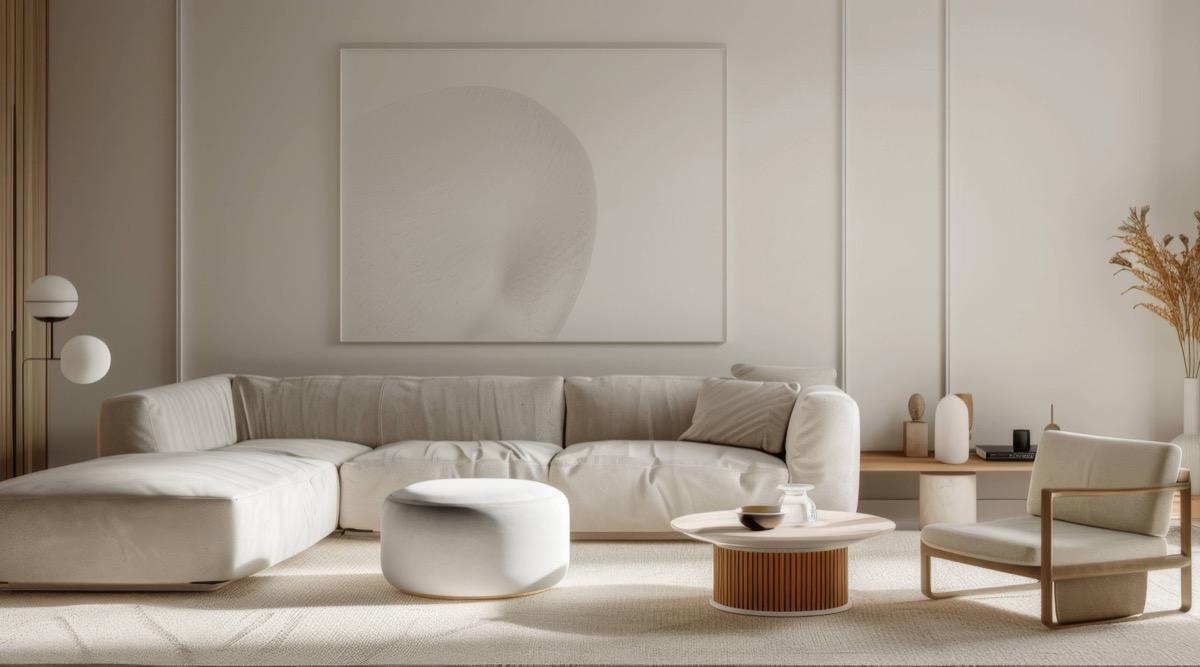
Balanced Minimalism
Perfect scale and proportion
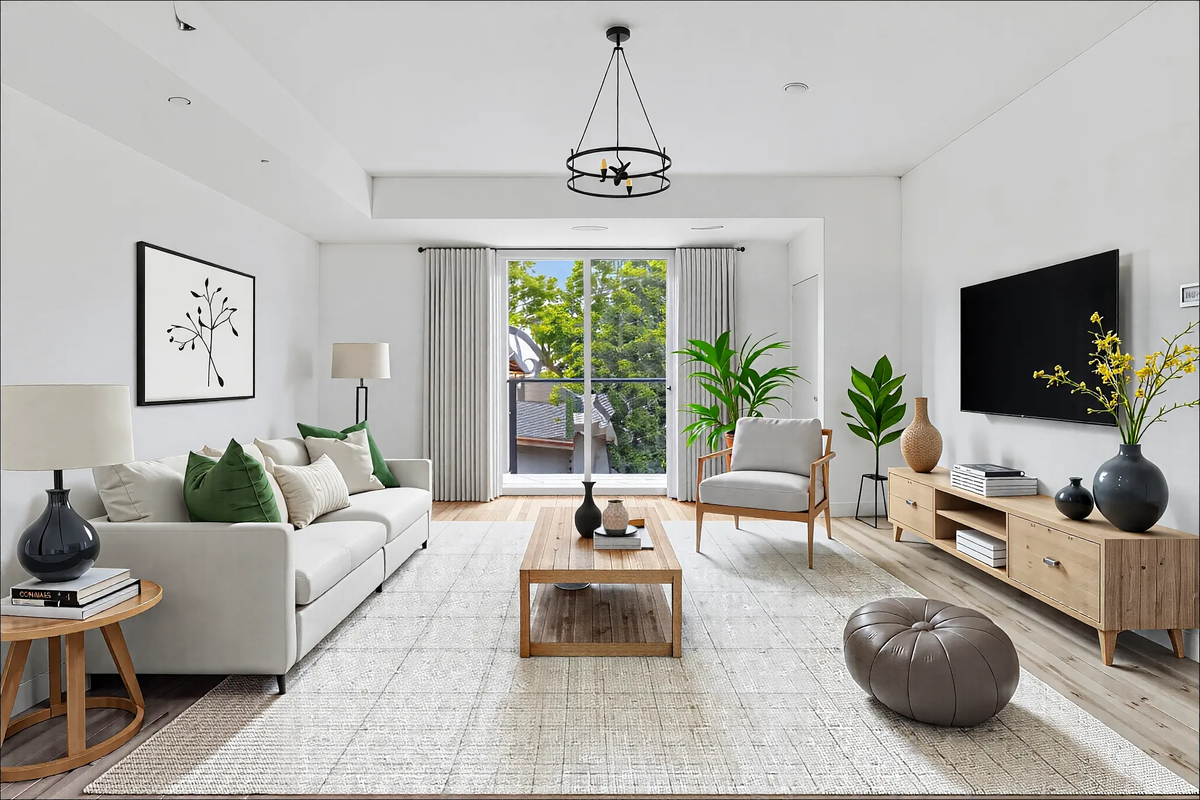
Optimal Flow
Clear pathways and zones
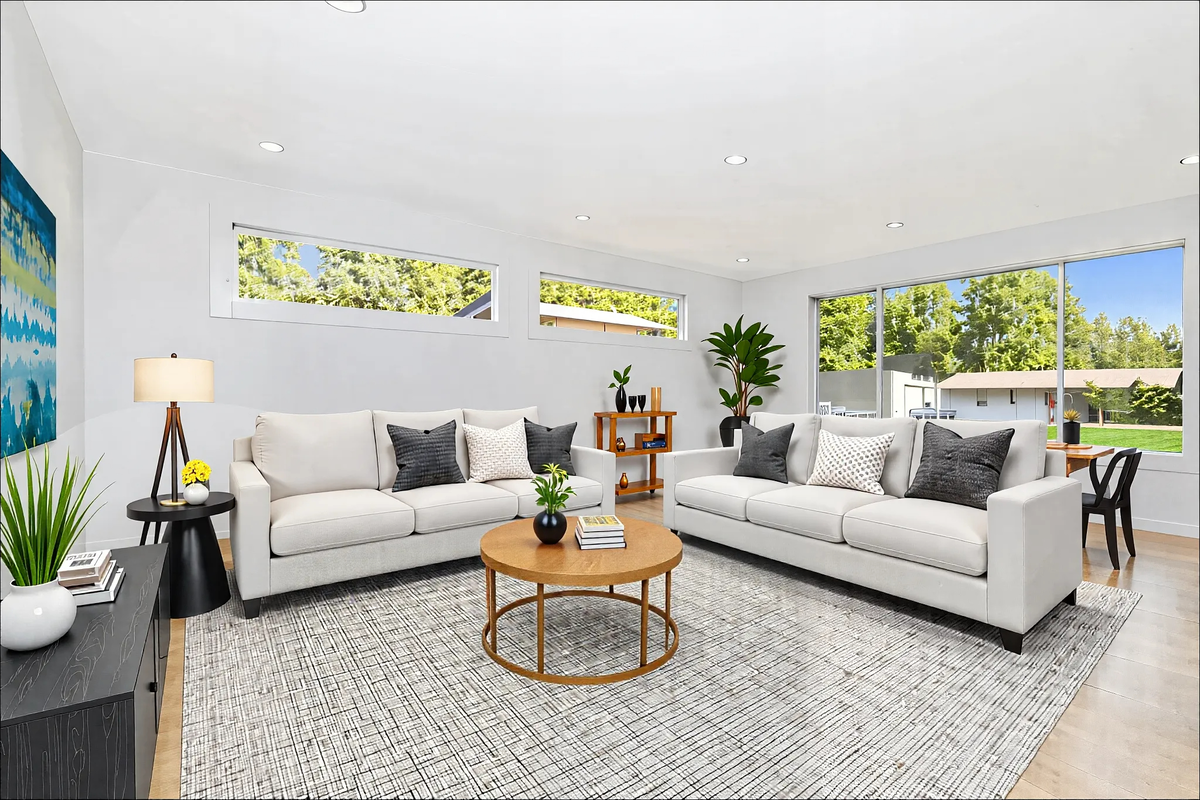
Window-Focused
Maximized natural light
Optimize Your Furniture Arrangement
Create perfectly balanced rooms with AI-powered layout tools. Get personalized furniture placement recommendations that maximize comfort, flow, and visual appeal.