
Japandi Interior Design
Japanese Meets Scandinavian
Discover the perfect harmony of Japanese minimalism and Scandinavian functionality with Collov AI, the best virtual staging AI. Create serene, uncluttered spaces that blend natural materials, neutral palettes, and mindful design principles for timeless beauty and tranquility.
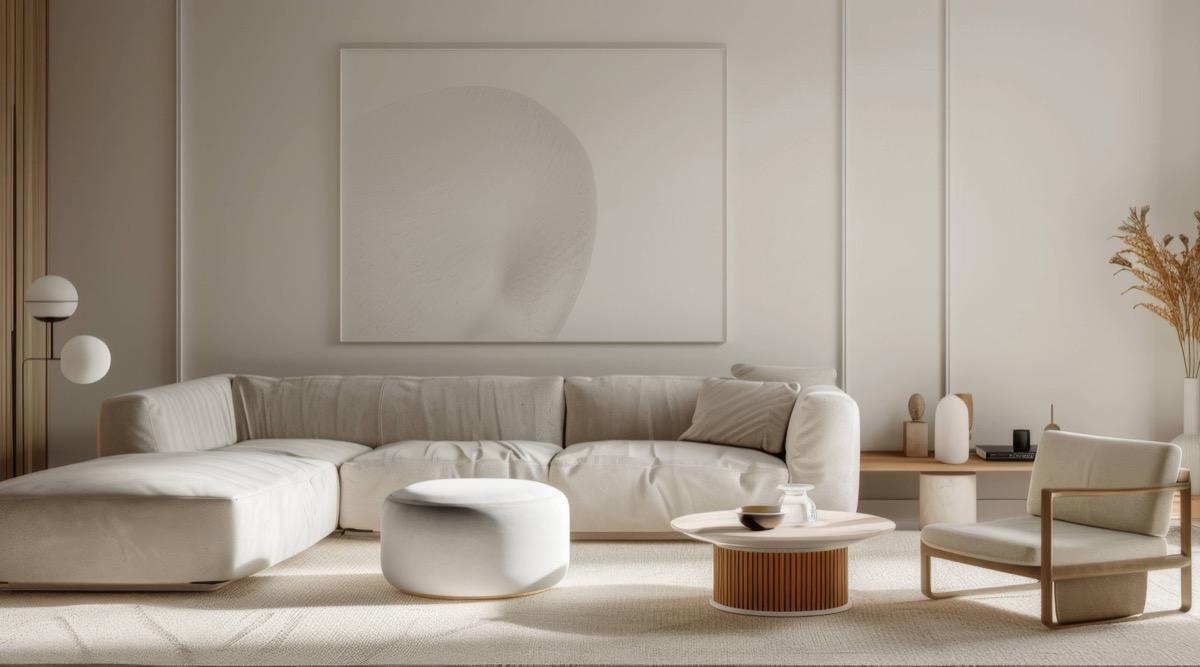
Serene Minimalism
Where East Meets North
What is Japandi Design?
Japandi is a harmonious fusion of Japanese and Scandinavian design philosophies that has taken the interior design world by storm in 2025. This innovative style merges the clean lines and functionality of Scandinavian design with the elegant simplicity and wabi-sabi philosophy of Japanese aesthetics, creating spaces that are both beautiful and deeply calming.
At its core, Japandi design embraces minimalism without feeling cold or sterile. It celebrates natural materials, muted color palettes, and mindful curation of every element in a space. The result is an environment that promotes tranquility, reduces stress, and brings a sense of balance to modern living.
Unlike traditional minimalism, Japandi incorporates warmth through natural wood tones, organic textures, and handcrafted elements. It values quality over quantity, encouraging homeowners to invest in fewer, better-made pieces that will stand the test of time both functionally and aesthetically.
Core Japandi Principles
Eight fundamental elements that define authentic Japandi interior design
Natural Materials
Wood, bamboo, linen, cotton, stone, and ceramic create organic warmth
Neutral Palette
Beige, cream, gray, white, and warm wood tones dominate the color scheme
Functional Beauty
Every piece serves a purpose while contributing to aesthetic harmony
Wabi-Sabi
Embrace imperfection, appreciate aging, and celebrate natural authenticity
Soft Lighting
Warm ambient lighting through natural sources, paper lanterns, and minimal fixtures
Biophilic Elements
Indoor plants, natural light, and organic shapes connect you to nature
Clean Lines
Simple geometric forms and uncluttered spaces create visual calm
Thoughtful Curation
Less is more - each item is carefully selected and meaningful
Essential Japandi Elements
Transform your home with these foundational Japandi design components
Furniture Selection
- Low-profile seating with clean lines
- Solid wood tables and natural finishes
- Multifunctional storage solutions
- Handcrafted pieces with visible joinery
- Platform beds and tatami-inspired elements
Color Psychology
- Warm whites and soft grays as base
- Earthy terracotta and clay accents
- Natural wood tones throughout
- Muted sage greens for depth
- Black accents for contrast and grounding
Textile Choices
- Organic linen for curtains and bedding
- Chunky knit wool throws
- Natural jute or seagrass rugs
- Cotton and hemp upholstery
- Minimal patterns in neutral tones
Lighting Design
- Rice paper pendant lights
- Warm LED bulbs (2700K-3000K)
- Natural light maximization
- Washi paper table lamps
- Dimmable ambient lighting systems
Storage Solutions
- Built-in cabinetry with hidden storage
- Open wooden shelving with minimal display
- Woven baskets for organic texture
- Sliding shoji-inspired doors
- Under-bed storage platforms
Decorative Accents
- Ceramic vases in earthy tones
- Minimalist wall art and calligraphy
- Bonsai trees or ikebana arrangements
- Natural stone and wood sculptures
- Vintage Japanese pottery
Japandi Inspiration Gallery
Explore serene spaces that embody Japanese-Scandinavian harmony
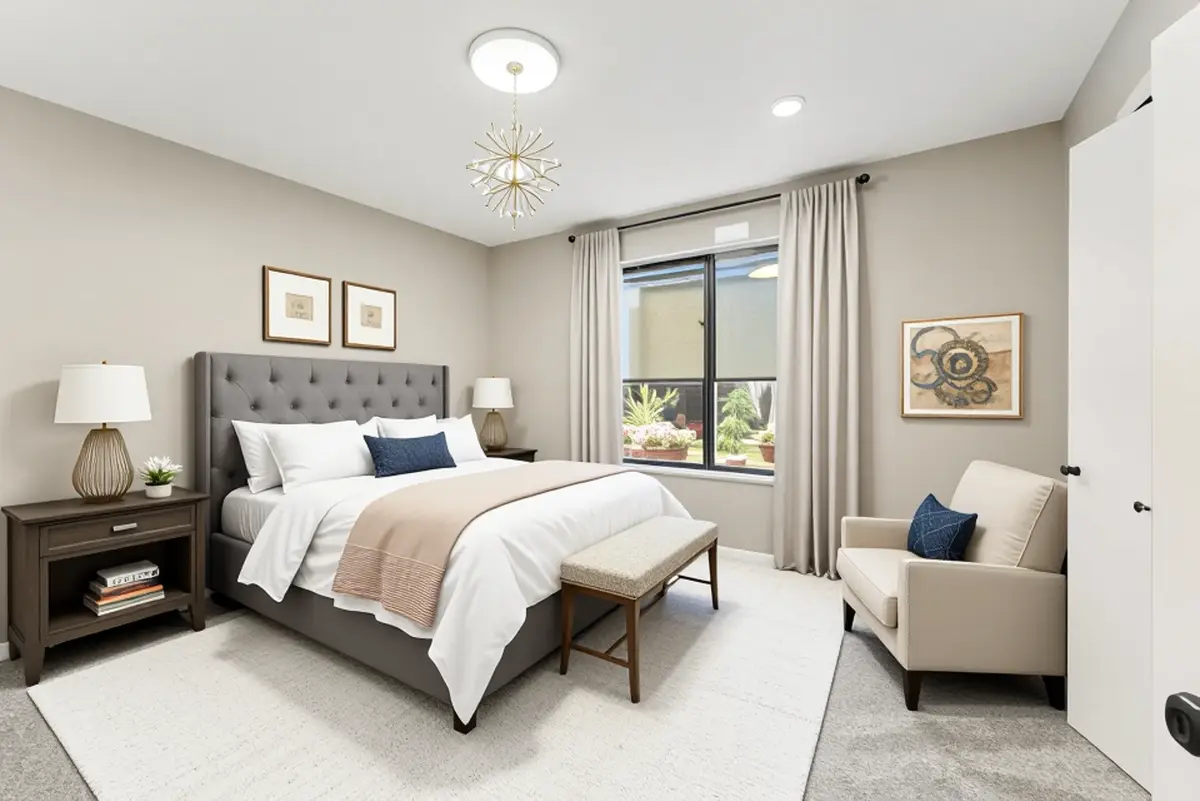
Tranquil Bedroom
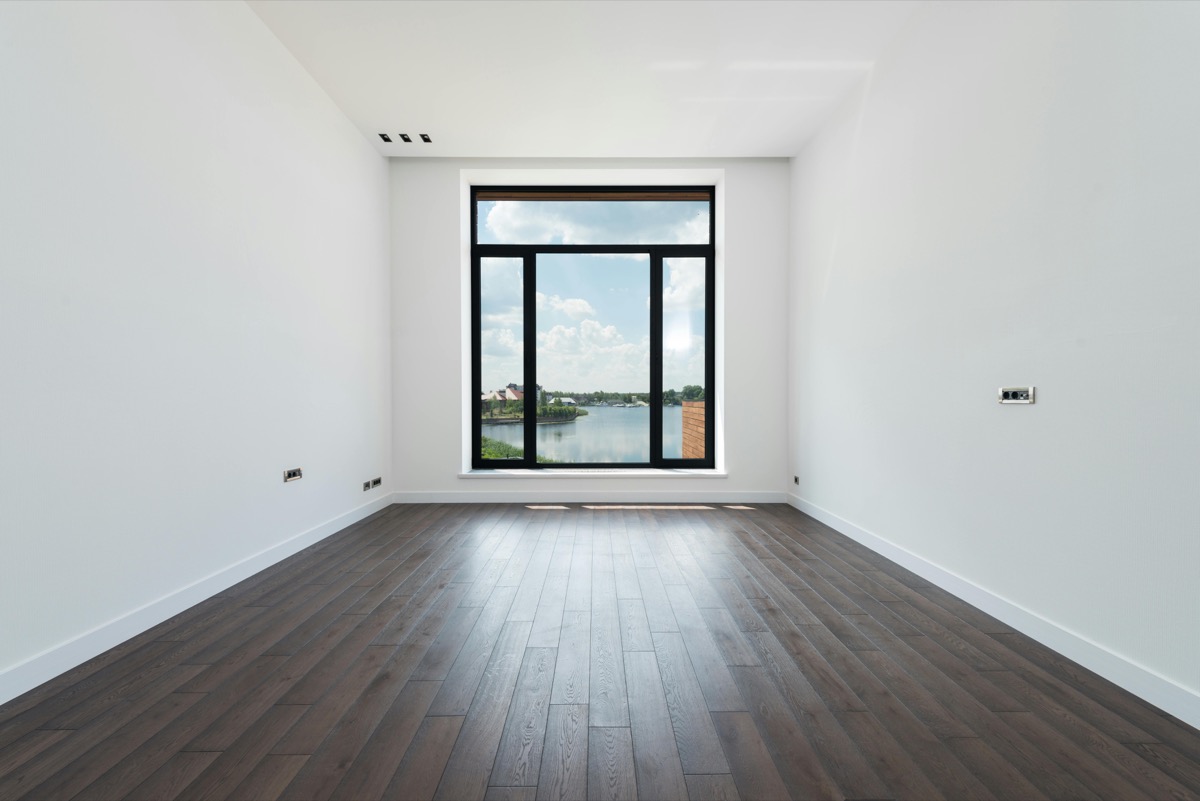
Minimal Living Space
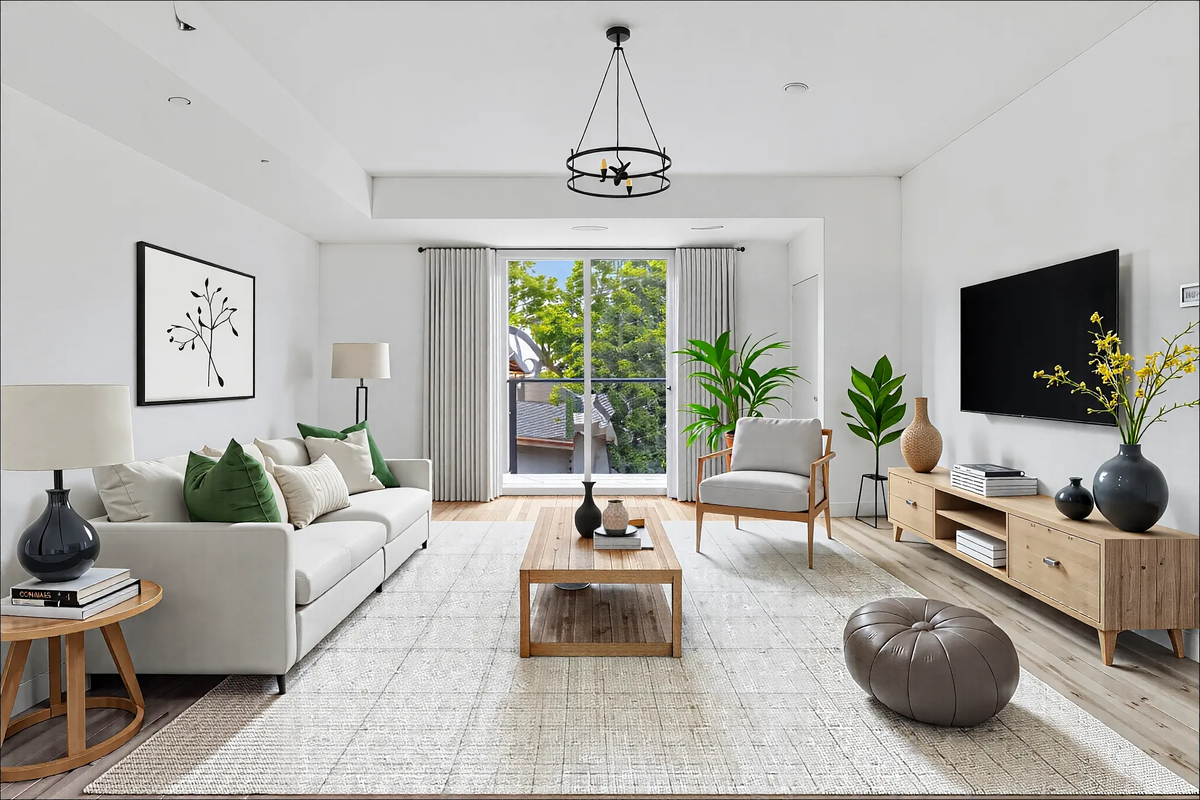
Natural Living Room
How to Achieve Japandi Style
Start with Decluttering
Before introducing any new elements, embrace the Marie Kondo philosophy and declutter your space. Japandi design thrives on intentionality - every item should serve a purpose or bring genuine joy. Remove excess decorations, pare down furniture to essentials, and create breathing room in your environment.
Choose a Neutral Foundation
Paint walls in warm whites, soft grays, or natural beige tones. These neutral backgrounds allow natural materials and textures to shine without visual competition. Consider applying limewash or clay-based paints for added depth and organic texture that aligns with wabi-sabi principles.
Invest in Quality Wood Furniture
Select furniture pieces in light to medium wood tones like oak, ash, or beech. Look for clean-lined designs with visible wood grain and minimal ornamentation. Platform beds, low-profile sofas, and simple wooden dining tables form the backbone of Japandi interiors. Prioritize solid wood over veneers for longevity and authentic beauty.
Layer Natural Textures
Add warmth and tactile interest through natural textiles. Layer linen curtains, jute rugs, cotton throws, and wool cushions in complementary neutral tones. These organic materials soften minimalist spaces while maintaining the clean aesthetic. Avoid synthetic fabrics and busy patterns in favor of subtle textures and natural weaves.
Incorporate Greenery Mindfully
Select a few statement plants rather than crowding surfaces with many small pots. Large leafy plants like monstera or fiddle leaf fig make beautiful focal points, while bonsai trees and simple ikebana arrangements honor Japanese aesthetics. Use ceramic or earthenware planters in muted tones that complement your overall palette.
Perfect Your Lighting
Maximize natural light through unobstructed windows with sheer linen curtains. Add warm artificial lighting through rice paper pendants, simple wood table lamps, and indirect LED strips. Avoid harsh overhead lighting in favor of layered ambient sources that create a soft, welcoming glow throughout the day and evening.
Design Your Japandi Space with AI
Use our AI-powered interior design platform to create perfectly balanced Japandi spaces. Get personalized furniture recommendations, color palettes, and room layouts that capture the serene beauty of Japanese-Scandinavian design.