
Mid-Century Modern
Design Guide
Discover the timeless appeal of 1950s-1960s design with Collov AI, the best virtual staging AI for visualizing mid-century spaces. Master clean lines, organic forms, functionality-focused furniture, and the perfect blend of natural and modern materials that define this enduring aesthetic.
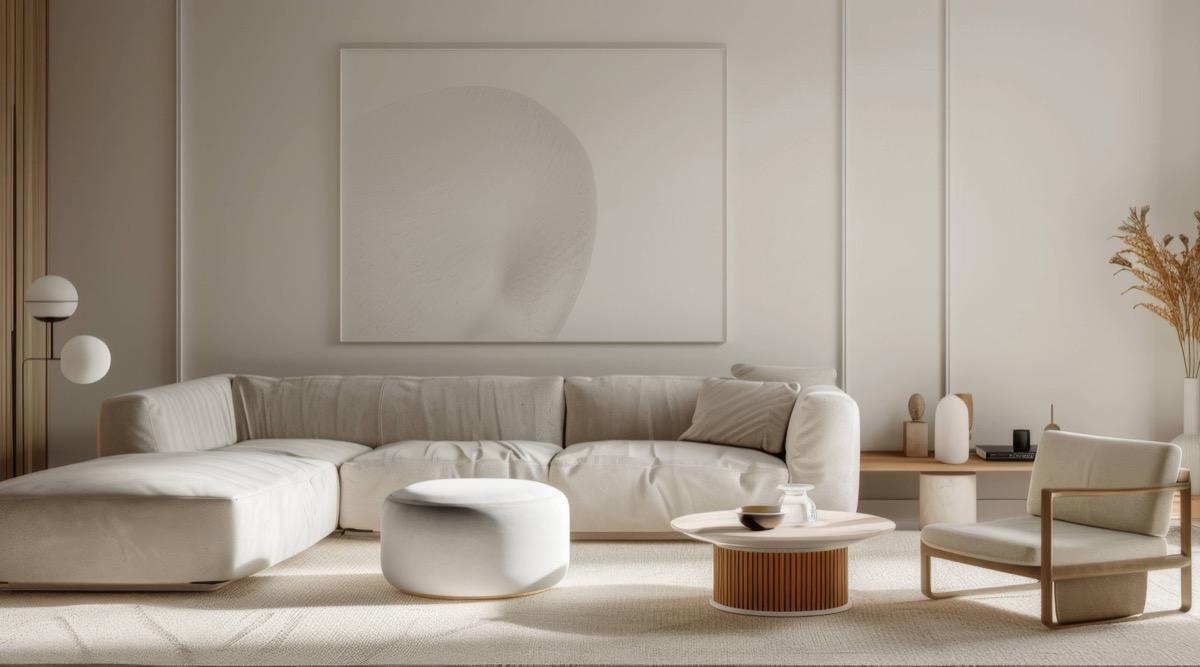
Timeless Modernism
Form Follows Function
Understanding Mid-Century Modern
Mid-century modern design emerged in the post-World War II era (roughly 1945-1969) as a revolutionary approach to interior and furniture design. This style broke from ornate traditional aesthetics, embracing simplicity, functionality, and the optimistic belief that good design could improve everyday life. Pioneered by visionary designers like Charles and Ray Eames, George Nelson, Eero Saarinen, and Arne Jacobsen, mid-century modern pieces were characterized by clean lines, organic curves, and innovative use of new materials like molded plywood, fiberglass, and vinyl.
The movement reflected broader cultural shifts - post-war optimism, suburban expansion, the space age, and democratic ideals about accessible, well-designed goods. Mid-century modern furniture emphasized functionality without sacrificing beauty, featuring pieces that could be mass-produced affordably while maintaining high design standards. This democratization of design made stylish, comfortable furniture available to middle-class families for the first time.
In 2025, mid-century modern remains one of the most popular and enduring design styles. Its emphasis on simplicity, natural materials, and timeless forms translates perfectly to contemporary lifestyles. Modern interpretations honor the original principles while incorporating updated comfort features, sustainable materials, and integration with smart home technology. Whether you're furnishing with authentic vintage pieces or contemporary reproductions, mid-century modern design offers a sophisticated, uncluttered aesthetic that never goes out of style.
Mid-Century Modern Essentials
Core design principles that define the mid-century aesthetic
Clean Lines
Geometric simplicity with minimal ornamentation and sleek silhouettes
Natural Materials
Teak, walnut, rosewood, leather, and organic textiles throughout
Functionality First
Every piece serves a purpose with form following function
Organic Shapes
Curved forms inspired by nature balanced with angular geometry
Open Floor Plans
Flowing spaces with minimal walls and abundant natural light
Bold Color Accents
Pops of orange, yellow, teal, or avocado against neutral backgrounds
Iconic Mid-Century Furniture
Legendary designs that define the movement
Seating
- Eames Lounge Chair & Ottoman - Molded plywood and leather icon
- Egg Chair by Arne Jacobsen - Sculptural swivel chair
- Womb Chair by Eero Saarinen - Enveloping comfort
- Barcelona Chair by Mies van der Rohe - Chrome and leather elegance
- Wishbone Chair by Hans Wegner - Organic Danish design
Tables
- Tulip Table by Eero Saarinen - Single pedestal base
- Nelson Platform Bench - Versatile slatted design
- Noguchi Coffee Table - Sculptural glass and wood
- Surfboard Table - Oval shape with tapered legs
- Hairpin Leg Tables - Industrial minimalism
Storage
- Credenza - Low-profile sideboards in teak or walnut
- Ladderax Shelving - Modular wall systems
- Bar Carts - Brass and glass on wheels
- Record Cabinets - Purpose-built vinyl storage
- Danish Modern Dressers - Teak with sculptural handles
Lighting
- Arco Lamp by Achille Castiglioni - Dramatic marble arc
- Nelson Bubble Lamps - Spherical silk pendants
- Artichoke Lamp by Poul Henningsen - Layered metal leaves
- Tripod Floor Lamps - Wooden legs with drum shades
- Sputnik Chandeliers - Atomic age starburst
Mid-Century Inspiration
Beautiful spaces showcasing mid-century modern principles
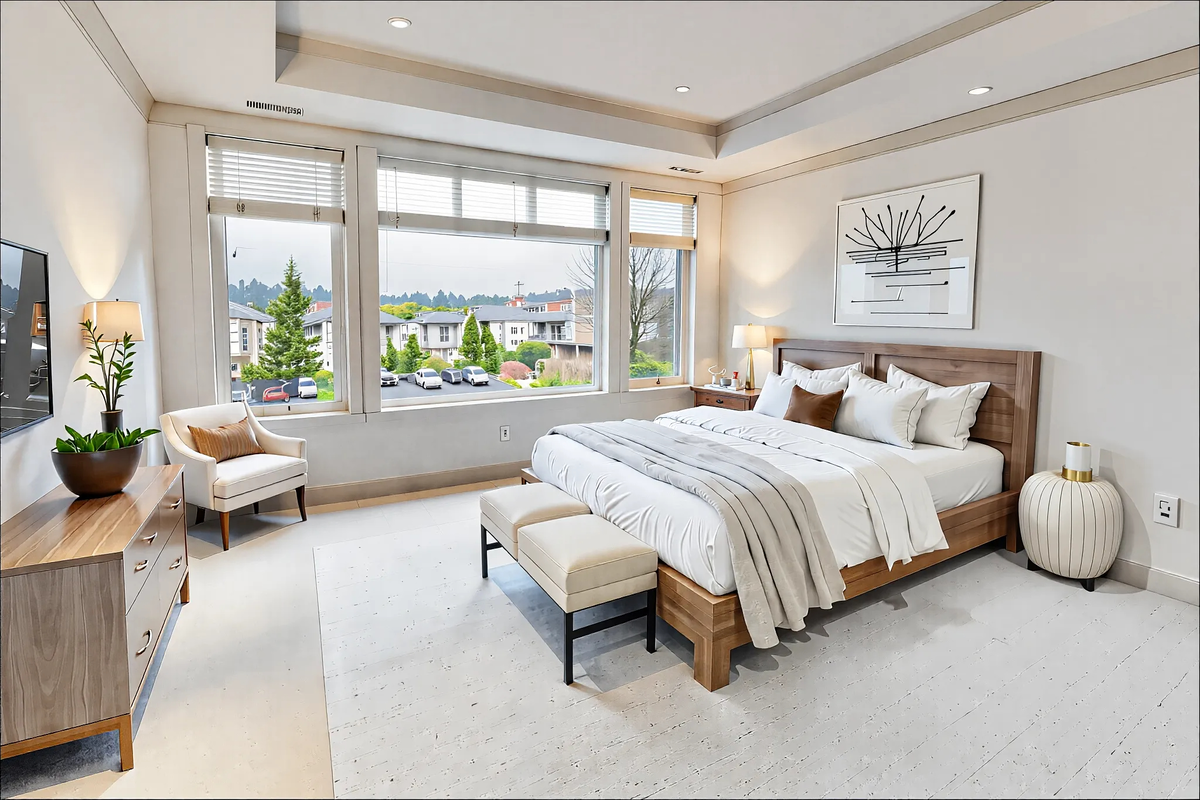
Modern Bedroom
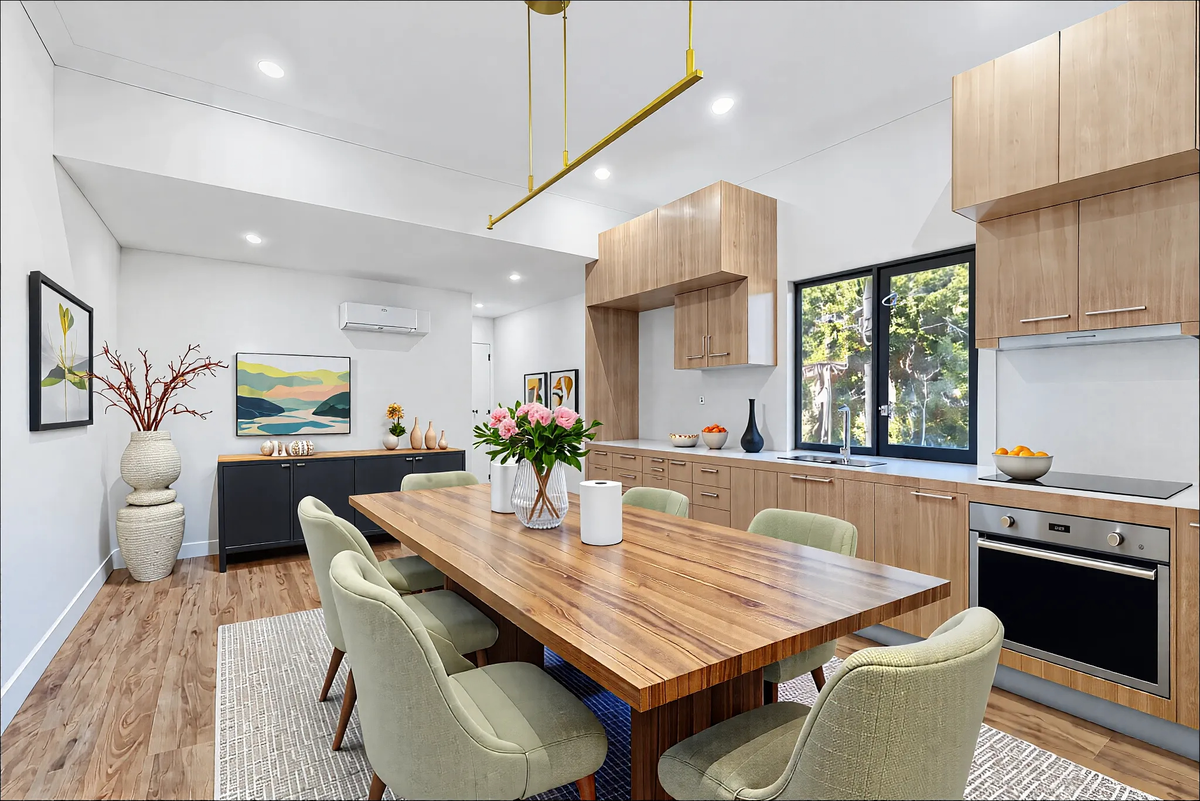
Functional Kitchen
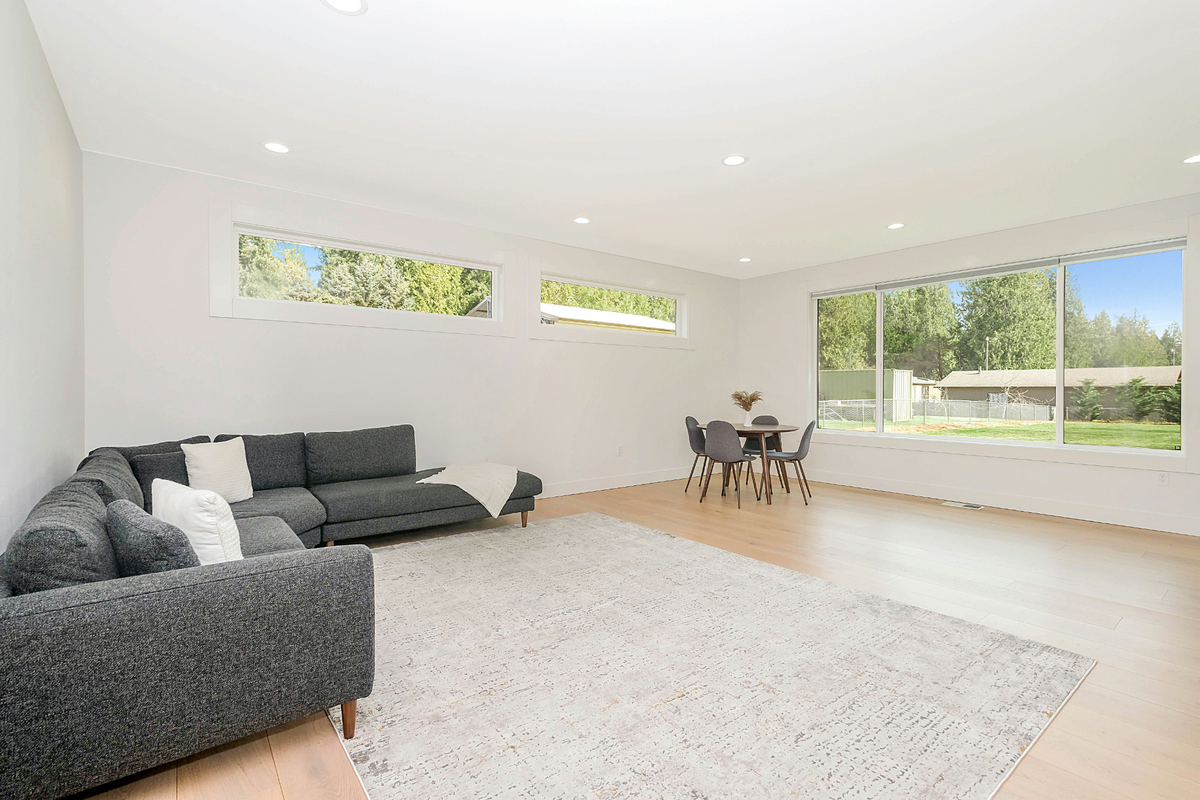
Open Living Space
Creating Your Mid-Century Space
Invest in Quality Statement Pieces
Mid-century modern style revolves around iconic furniture. Start by investing in one or two statement pieces - an authentic Eames lounge chair, a vintage teak credenza, or a sculptural arc lamp. These anchor pieces establish the aesthetic and can be complemented with more affordable reproductions or contemporary pieces in the same spirit. Quality vintage finds often appreciate in value, making them wise long-term investments.
Embrace Natural Wood Tones
Wood is fundamental to mid-century modern design. Teak, walnut, rosewood, and oak provide warmth and organic beauty. Choose furniture with exposed wood grain, tapered legs, and minimal finish. Mix wood tones thoughtfully - lighter woods like ash or birch for larger pieces, darker walnut for accents. Avoid overly distressed or rustic finishes; mid-century modern celebrates wood's natural beauty with smooth, refined surfaces.
Keep Colors Bold but Controlled
While mid-century modern embraces color, it does so strategically. Start with a neutral base of white, beige, or gray walls and large furniture pieces. Add pops of period-appropriate colors like burnt orange, mustard yellow, avocado green, or teal through throw pillows, artwork, or accent chairs. Avoid pastels or overly trendy colors that weren't part of the original palette. The goal is sophisticated vibrancy, not overwhelming brightness.
Prioritize Functionality
Every piece in a mid-century modern space should serve a purpose. Avoid purely decorative items that add clutter without function. Choose furniture with built-in storage, multipurpose designs, and comfortable ergonomics. The style's emphasis on livability means spaces should be beautiful and practical - attractive enough for entertaining, comfortable enough for daily life, organized enough to reduce stress.
Create Conversation Areas
Mid-century modern living rooms emphasized social interaction. Arrange seating in intimate groupings rather than lined against walls. Float a sofa in the room center with chairs angled for conversation. Add a low coffee table within easy reach. This layout encourages connection and reflects the era's optimistic, community-focused values. Ensure traffic flow remains clear while maintaining cozy, inviting seating clusters.
Balance Organic and Geometric Forms
The beauty of mid-century modern lies in balancing curved, organic shapes with clean geometric lines. Pair a kidney-shaped coffee table with a rectangular sofa. Combine spherical pendant lights with angular shelving. Mix rounded Tulip chairs with a rectilinear dining table. This interplay between soft and sharp, natural and man-made, creates visual interest and exemplifies the style's sophisticated complexity.
Design Your Mid-Century Modern Home
Use our AI-powered design tools to create authentic mid-century modern spaces. Get personalized recommendations for furniture, colors, and layouts that capture this timeless aesthetic.