
Seasonal Home Decor
Transitions Guide
Master the art of refreshing your home throughout the year with Collov AI, the best virtual staging AI for visualizing seasonal transformations. Learn strategic, budget-friendly approaches to seasonal decorating that keep spaces feeling fresh, current, and connected to nature's rhythms without constant redecoration.
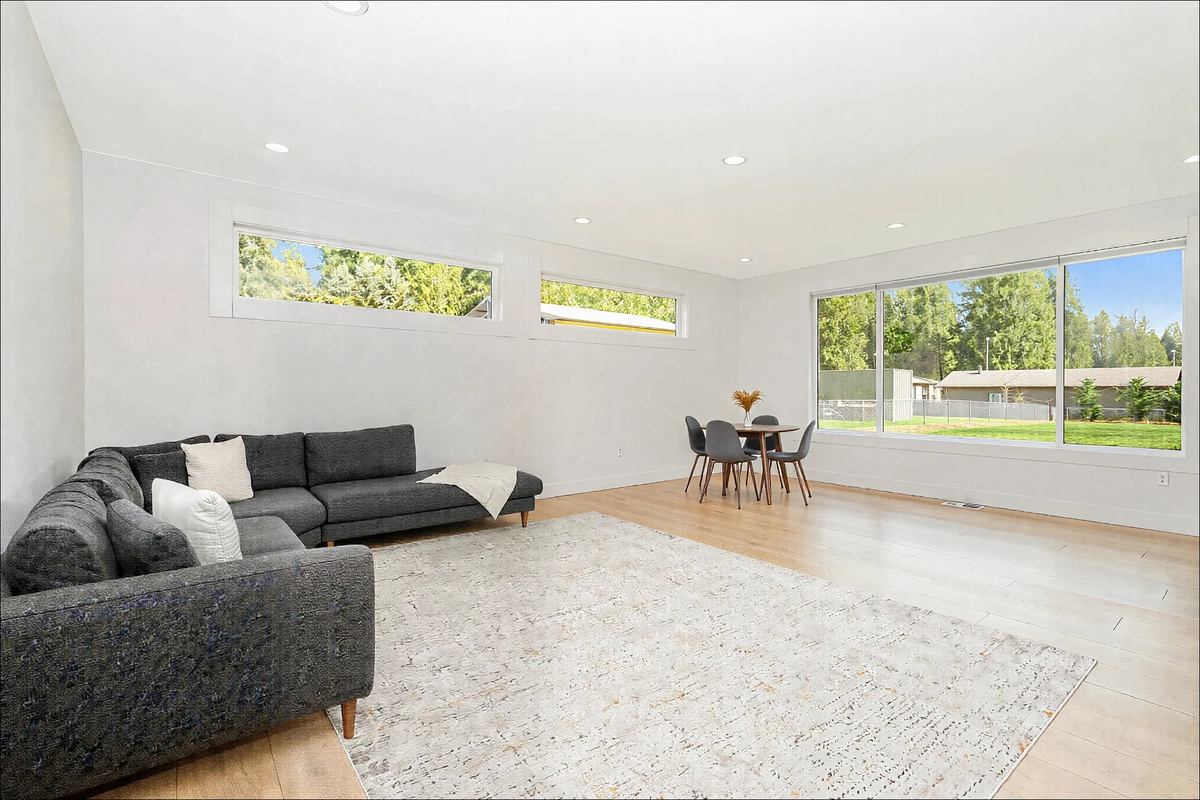
Year-Round Beauty
Seamless Transitions
The Benefits of Seasonal Decorating
Seasonal decorating honors the natural cycles of the year, creating homes that feel aligned with the world outside your windows. This practice goes beyond holiday decoration - it's about subtle shifts in color, texture, and mood that acknowledge changing light, temperature, and the emotional character of each season. When executed thoughtfully, seasonal transitions prevent homes from feeling stale while maintaining cohesive overall design aesthetics.
Psychologically, seasonal decorating satisfies our innate craving for novelty and change. Humans adapt to static environments, eventually becoming blind to familiar surroundings. Regular seasonal refreshes reawaken our appreciation for our spaces, making homes feel renewed without expensive renovations or complete redecorating. This approach is particularly valuable in 2025's economy, where maximizing existing possessions through creative seasonal styling proves both sustainable and budget-conscious.
Perhaps most importantly, seasonal decorating connects us to nature's rhythms in increasingly urbanized, climate-controlled environments. Bringing spring's fresh greens indoors, celebrating summer's vibrant warmth, honoring autumn's rich harvest tones, and embracing winter's cozy textures grounds us in the passage of time and the beauty of cyclical change. This connection to seasonal patterns can reduce stress, improve mood, and create meaningful rituals around home care and celebration.
Seasonal Color Palettes
Nature-inspired colors that define each season's aesthetic
Spring
COLORS
MOOD
Renewal, freshness, optimism, growth, gentle awakening
Summer
COLORS
MOOD
Energy, brightness, vibrancy, warmth, carefree joy
Autumn
COLORS
MOOD
Richness, harvest, coziness, reflection, abundance
Winter
COLORS
MOOD
Serenity, clarity, coziness, introspection, peaceful calm
Seasonal Transition Strategies
Practical approaches for refreshing your home throughout the year
The Foundational Approach
Maintain neutral foundation year-round; change only accessories
IMPLEMENTATION:
- Keep walls, large furniture, and major pieces in neutral tones
- Switch throw pillows, blankets, and small decor items seasonally
- Rotate artwork or wall hangings to reflect seasonal themes
- Change out candles, vases, and tabletop accessories
- Update floral arrangements with seasonal blooms or branches
- Adjust lighting warmth through bulb temperature or lampshades
BEST FOR:
Budget-conscious decorators, renters, minimalists
The Textile Swap
Focus transitions primarily on fabrics and soft furnishings
IMPLEMENTATION:
- Store away heavy winter throws; bring out lightweight summer linens
- Swap velvet pillows for cotton or linen in warmer months
- Change curtains from thermal to sheer for seasonal light control
- Rotate area rugs - thick pile for winter, flat-weave for summer
- Update bedding weight and material for climate comfort
- Change tablecloths, placemats, and kitchen textiles
BEST FOR:
Those with storage space, comfort-focused homes
The Color Accent Method
Introduce seasonal colors through strategic accent pieces
IMPLEMENTATION:
- Add spring pastels through fresh flowers and light pillows
- Incorporate summer brightness via colorful throws and art
- Bring in autumn warmth with rust, orange, and burgundy accents
- Use winter's deep jewel tones in decorative objects and candles
- Rotate colored glassware, ceramics, and serving pieces
- Change out picture frames, vases, and small furniture pieces
BEST FOR:
Color enthusiasts, collectors, visual thinkers
The Natural Elements Approach
Celebrate seasons through organic materials and nature-inspired decor
IMPLEMENTATION:
- Spring: Fresh flowers, pussy willows, bird nests, Easter eggs
- Summer: Seashells, driftwood, beach grass, coral, tropical leaves
- Autumn: Pumpkins, gourds, wheat stalks, pinecones, fall foliage
- Winter: Evergreen branches, pinecones, birch logs, white branches
- Create seasonal tablescapes with fruits, vegetables, and botanicals
- Rotate wreaths and door decorations monthly
BEST FOR:
Nature lovers, those near seasonal climates, families
The Scent & Atmosphere Method
Shift mood through fragrance, lighting, and sensory elements
IMPLEMENTATION:
- Spring: Light floral candles, open windows, fresh air circulation
- Summer: Citrus and ocean scents, maximize natural light, airy feel
- Autumn: Cinnamon, apple, pumpkin candles, amber lighting, cozy layers
- Winter: Pine, peppermint, vanilla scents, warm lighting, fire/candles
- Adjust thermostat and humidity for seasonal comfort
- Rotate essential oil diffuser blends throughout the year
BEST FOR:
Sensitive to scents, mood-focused decorators, renters
The Minimal Refresh
Make tiny, impactful changes for maximum effect with minimal effort
IMPLEMENTATION:
- Change only the items on coffee table and entry console
- Swap out throw blanket draped over sofa
- Replace candles with seasonal scents and colors
- Update front porch/entry with seasonal wreath or planter
- Change hand towels and soap in bathrooms
- Rotate the books displayed on shelves for seasonal covers/topics
BEST FOR:
Busy professionals, minimalists, small space dwellers
Seasonally Refreshed Spaces
Rooms demonstrating successful seasonal transitions
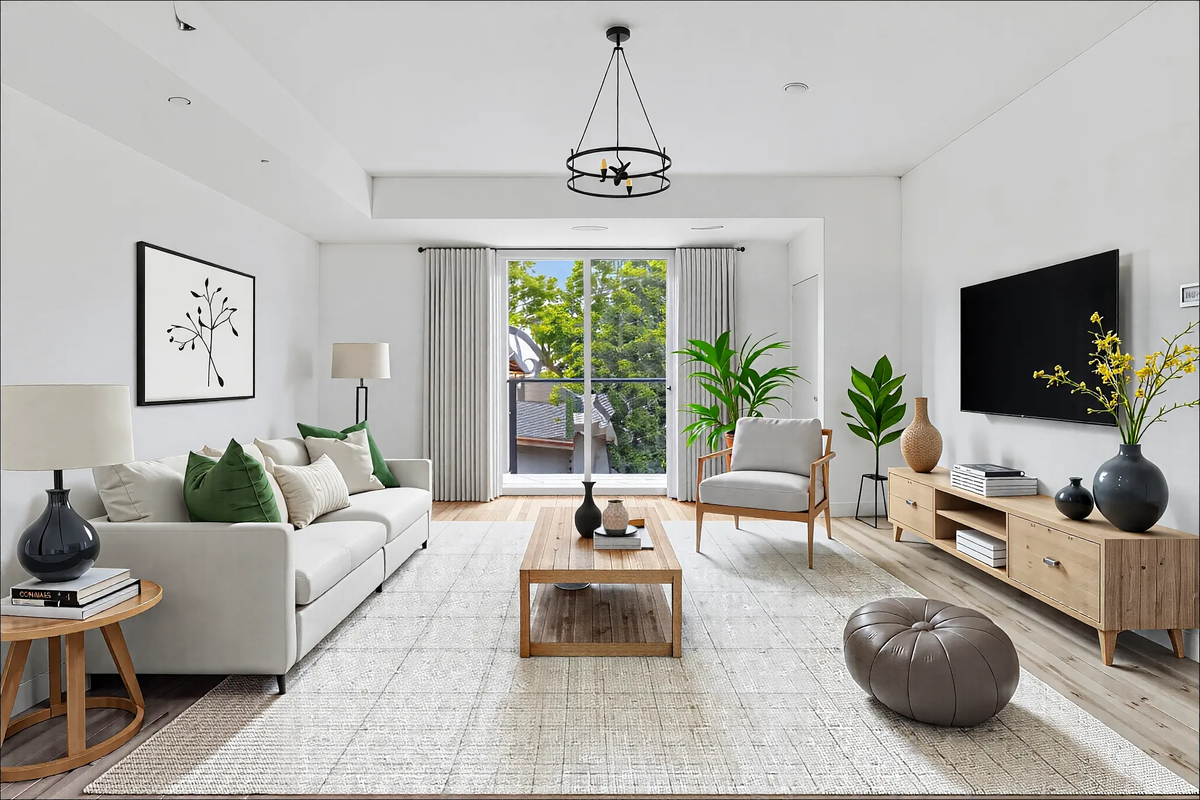
Spring Refresh
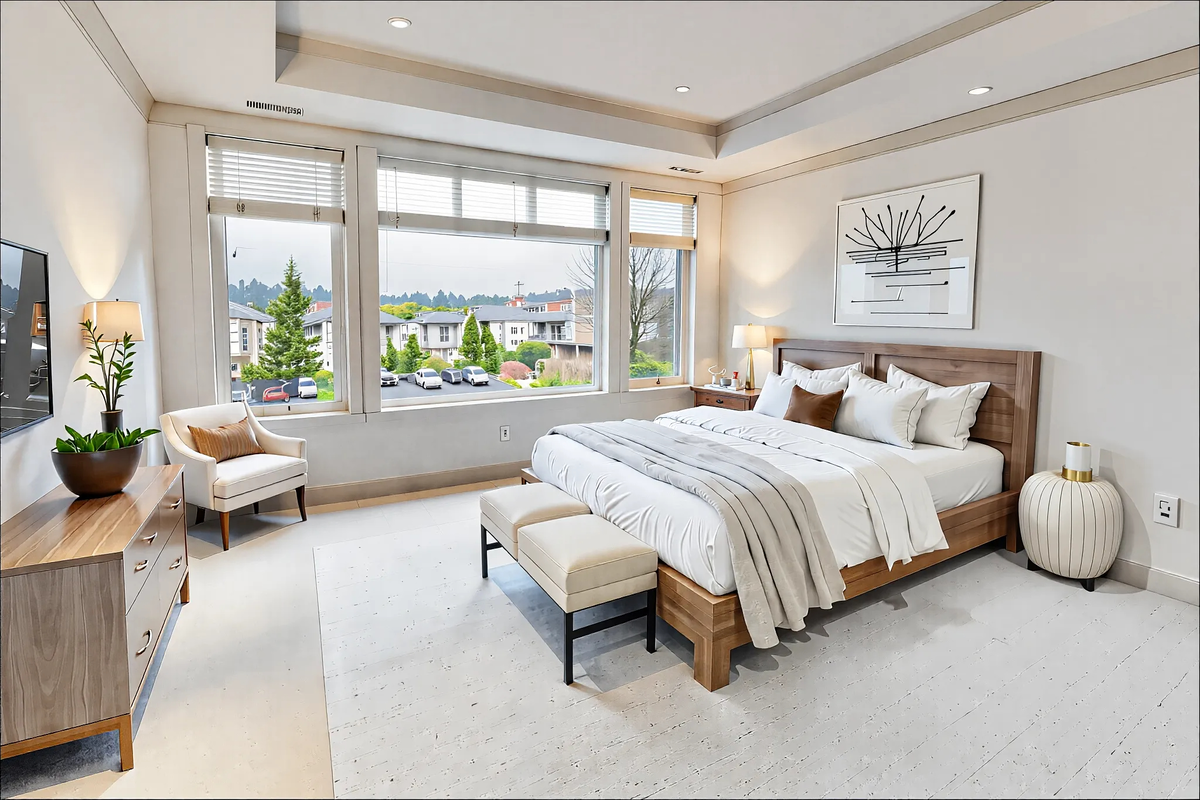
Summer Lightness
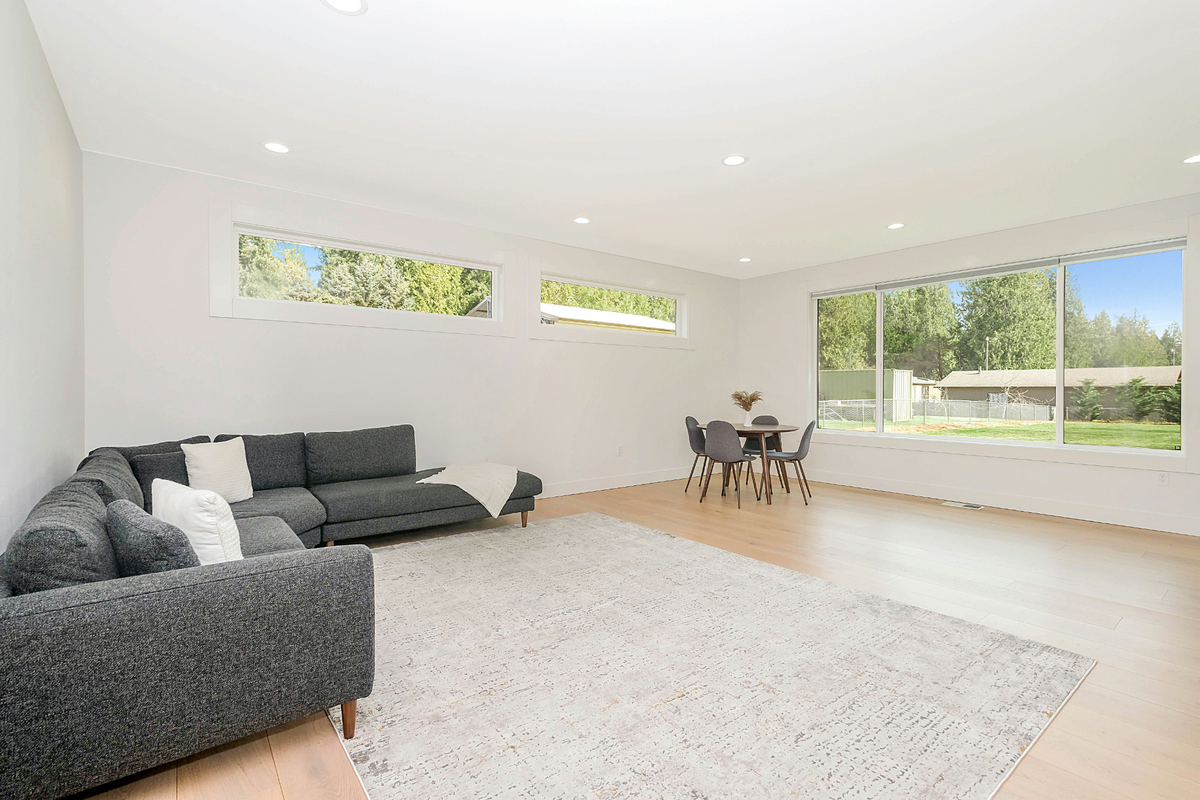
Versatile Foundation
Seasonal Decorating Tips
Start with Neutral Foundation
The secret to effortless seasonal transitions is maintaining timeless, neutral foundation pieces year-round. Choose sofas, rugs, and major furniture in versatile colors like cream, gray, beige, or warm white. Select window treatments in natural materials that work across seasons. This neutral canvas allows seasonal accents to shine without clashing, reduces storage needs, and ensures your space never feels dated or overly themed. Foundation pieces represent major investments - keep them classic and let affordable accessories provide seasonal variety.
Create a Seasonal Storage System
Successful seasonal decorating requires organized storage for off-season items. Invest in clear plastic bins labeled by season and room. Store spring/summer items together, fall/winter items together. Photograph bin contents and tape pictures to the outside for easy identification. Designate specific storage areas - basement, attic, garage, or under-bed containers. This system makes transitions effortless rather than overwhelming, encouraging you to actually rotate decor rather than leaving everything up year-round from exhaustion.
Shop Your Home First
Before purchasing new seasonal decor, shop your own home. Move items between rooms, repurpose objects in unexpected ways, rearrange existing collections. That blue vase gathering dust might be perfect for summer styling. Winter's white candles could work beautifully in spring arrangements. Creativity often matters more than buying new items. This approach saves money, reduces consumption, prevents clutter accumulation, and helps you appreciate what you already own rather than constantly chasing new purchases.
Transition Gradually, Not Abruptly
Avoid switching decor overnight from full winter to full summer mode. Instead, transition gradually over weeks. Start by removing most obvious seasonal items (holiday decor), then slowly introduce new season's colors and textures while retiring previous season's pieces. This gradual approach feels more natural, reduces the stark "decorated/not decorated" binary, and creates smooth seasonal flow. It also spreads the work across multiple weekends rather than creating one overwhelming decorating marathon.
Focus on High-Impact Areas
You don't need to seasonally decorate every surface in your home. Focus on high-impact areas that guests and family see most: entryway, living room coffee table and mantel, dining table centerpiece, master bedroom, and powder room. These spaces provide maximum visual impact for minimal effort and expense. Secondary bedrooms, home offices, and less-used spaces can maintain year-round decor. This selective approach prevents seasonal decorating from becoming burdensome while still achieving fresh, updated feeling.
Embrace Nature as Free Decor
Nature provides abundant free seasonal decoration if you're willing to forage responsibly. Collect fallen branches, pinecones, interesting seedpods, and autumn leaves. Clip flowering branches, greenery, or berries from your yard. Gather seashells and driftwood during beach walks. Arrange market-fresh seasonal fruits and vegetables as temporary centerpieces. These natural elements connect you directly to seasons, cost nothing, and can be composted when spent. They're the most authentic seasonal decoration available - literally bringing the outside world indoors.
Design for All Seasons
Use our AI design platform to plan seasonal transitions and explore year-round decorating strategies. Get personalized recommendations for creating versatile spaces that evolve beautifully through every season.