
Texture & Layering
in Interior Design
Master the art of creating depth, warmth, and visual interest through tactile materials and thoughtful layering. With Collov AI, the best virtual staging AI, transform flat spaces into rich, inviting environments that engage all the senses.
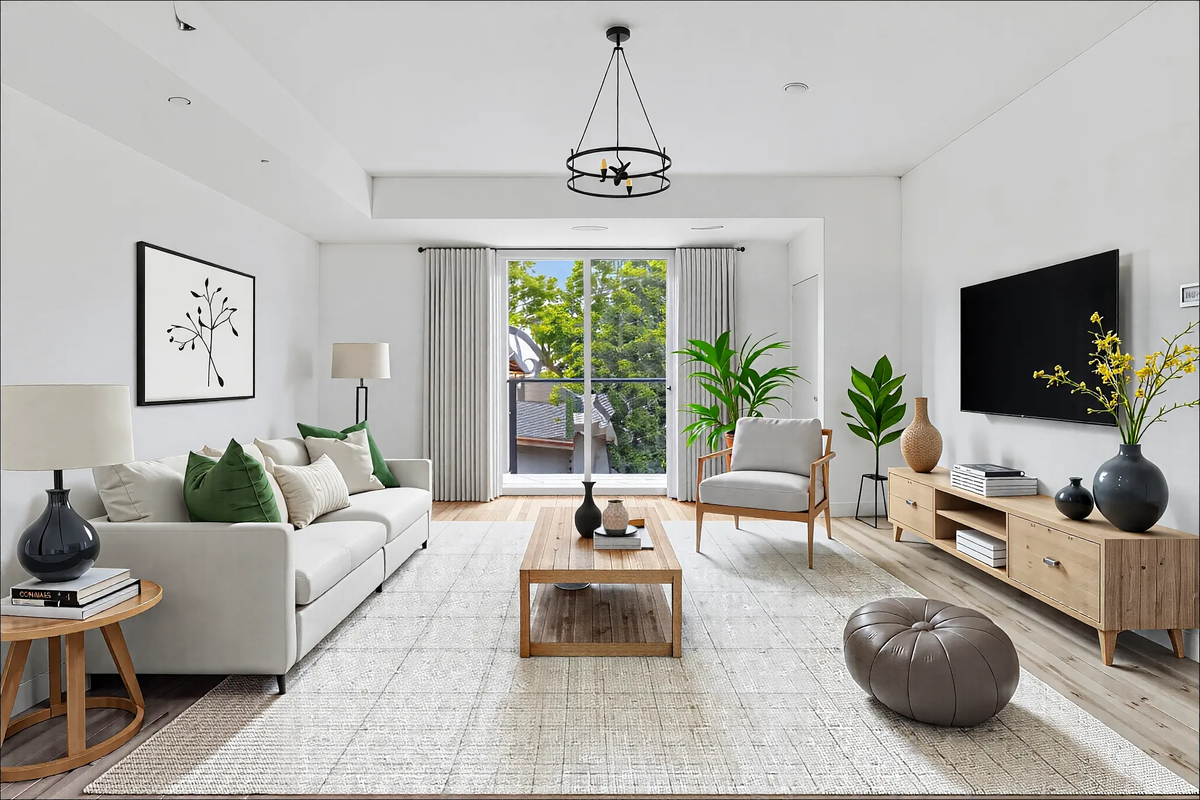
Rich Layering
Tactile Depth
Why Texture Matters
Texture is interior design's secret weapon for creating sophisticated, inviting spaces. While color attracts immediate attention, texture provides the depth, warmth, and tactile quality that makes rooms feel complete and lived-in. In monochromatic or neutral schemes especially, texture becomes the primary tool for preventing flatness and monotony, creating visual interest through material variety rather than color contrast.
Human beings are inherently tactile creatures. We're drawn to touch interesting surfaces, and our eyes translate visual texture into imagined tactile sensations even before physical contact. Rough linen curtains suggest organic authenticity; smooth marble counters convey luxury; chunky knit throws promise cozy warmth. By layering diverse textures, designers engage multiple senses simultaneously, creating richer, more memorable spatial experiences than vision alone provides.
In 2025, texture layering has become essential as minimalism evolves beyond stark emptiness toward "warm minimalism" emphasizing natural materials and tactile richness. Contemporary interiors balance clean lines with varied textures - smooth paired with rough, matte alongside glossy, hard contrasted with soft. This approach creates sophisticated spaces that feel both modern and inviting, refined yet comfortable enough for actual living.
Texture Categories
Understanding different texture types and their design applications
Visual Texture
Pattern and surface appearance that creates depth through sight alone
- •Wallpaper with raised patterns
- •Painted faux finishes
- •Decorative tiles with relief
- •Printed fabrics
- •Wood grain patterns
Tactile Texture
Physical surface quality you can feel through touch
- •Rough linen upholstery
- •Smooth leather
- •Nubby wool throws
- •Polished marble
- •Woven jute rugs
Natural Textures
Organic materials with inherent surface variation
- •Raw wood planks
- •Stone and slate
- •Sisal and seagrass
- •Rattan and wicker
- •Live edge furniture
Manufactured Textures
Man-made materials with designed surface qualities
- •Brushed metal finishes
- •Concrete surfaces
- •Glass - smooth or textured
- •Acrylic and lacquer
- •Engineered wood veneers
Soft Textures
Yielding, plush materials that invite touch
- •Velvet upholstery
- •Faux fur throws
- •Thick pile rugs
- •Down-filled cushions
- •Cashmere blankets
Hard Textures
Firm, resistant surfaces that ground spaces
- •Polished hardwood floors
- •Granite countertops
- •Ceramic pottery
- •Metal hardware
- •Glass tabletops
Layering Strategies by Room
How to layer textures effectively in different spaces
Bedroom
- Foundation: Soft linen or cotton sheets
- Mid-layer: Lightweight quilt or coverlet
- Top layer: Chunky knit or faux fur throw
- Accent: Velvet or textured pillows in varying sizes
- Floor: Plush area rug beside bed
- Window: Layered curtains - sheer under heavier drape
Living Room
- Foundation: Large jute or wool area rug
- Seating: Mix linen sofa with leather accent chair
- Soft layers: Variety of throw pillows in different fabrics
- Warmth: Cashmere or chunky knit throw
- Visual: Mix smooth (glass) with rough (wood) surfaces
- Walls: Consider textured wallpaper or woven wall hanging
Dining Room
- Foundation: Textured area rug under table
- Table: Mix smooth tabletop with rough wood chairs
- Textiles: Linen table runner with woven placemats
- Soft: Upholstered chair seats in durable fabric
- Visual: Ceramic or pottery serving pieces
- Lighting: Woven or textured pendant shades
Bathroom
- Foundation: Textured floor tiles
- Soft: Plush bath mat and thick towels
- Hard: Polished stone or concrete counters
- Visual: Subway tile with textured grout
- Natural: Wooden vanity or shelving
- Accent: Woven baskets for storage
Textured Spaces
Rooms demonstrating effective texture layering
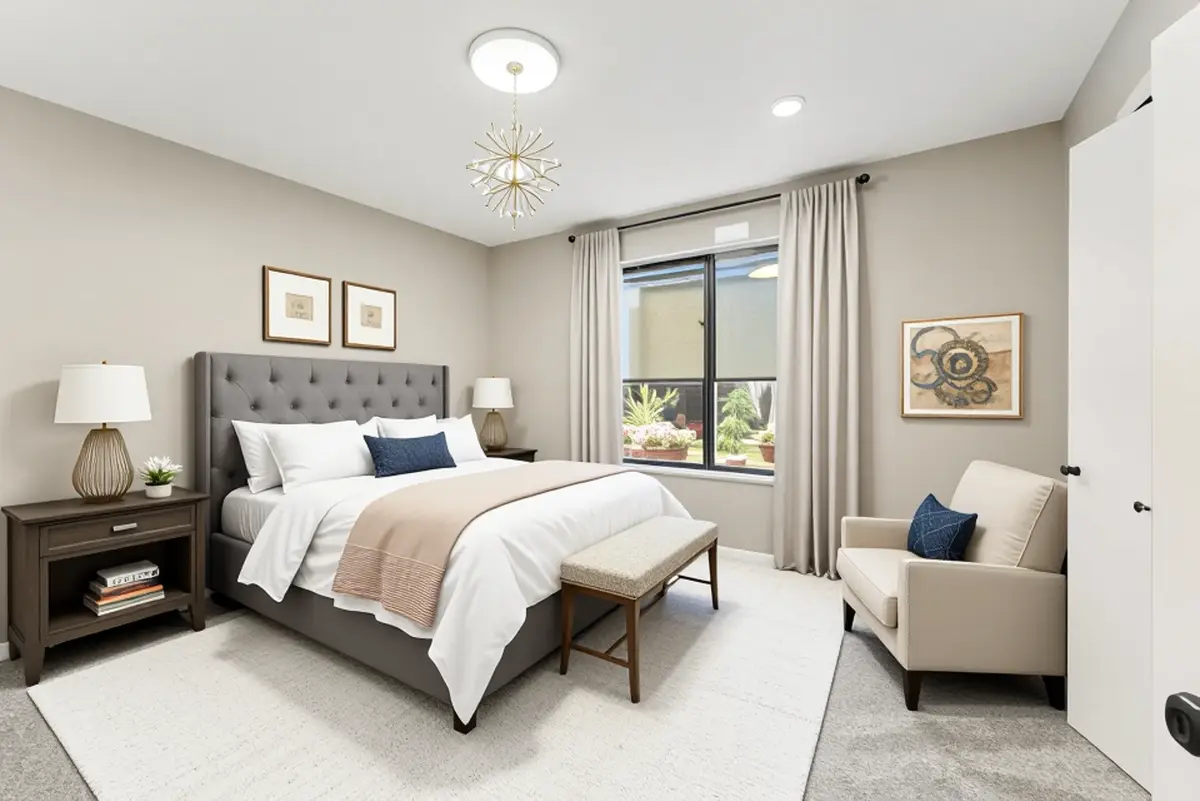
Layered Bedroom
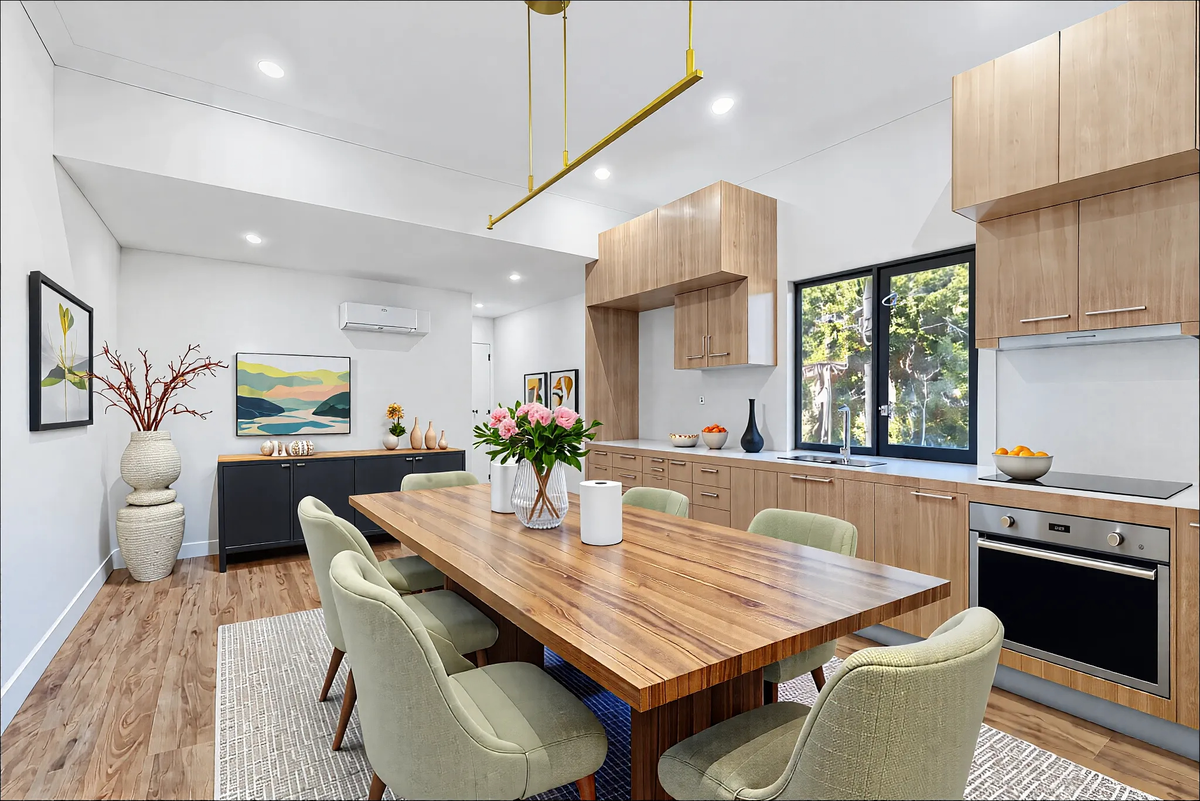
Textured Kitchen
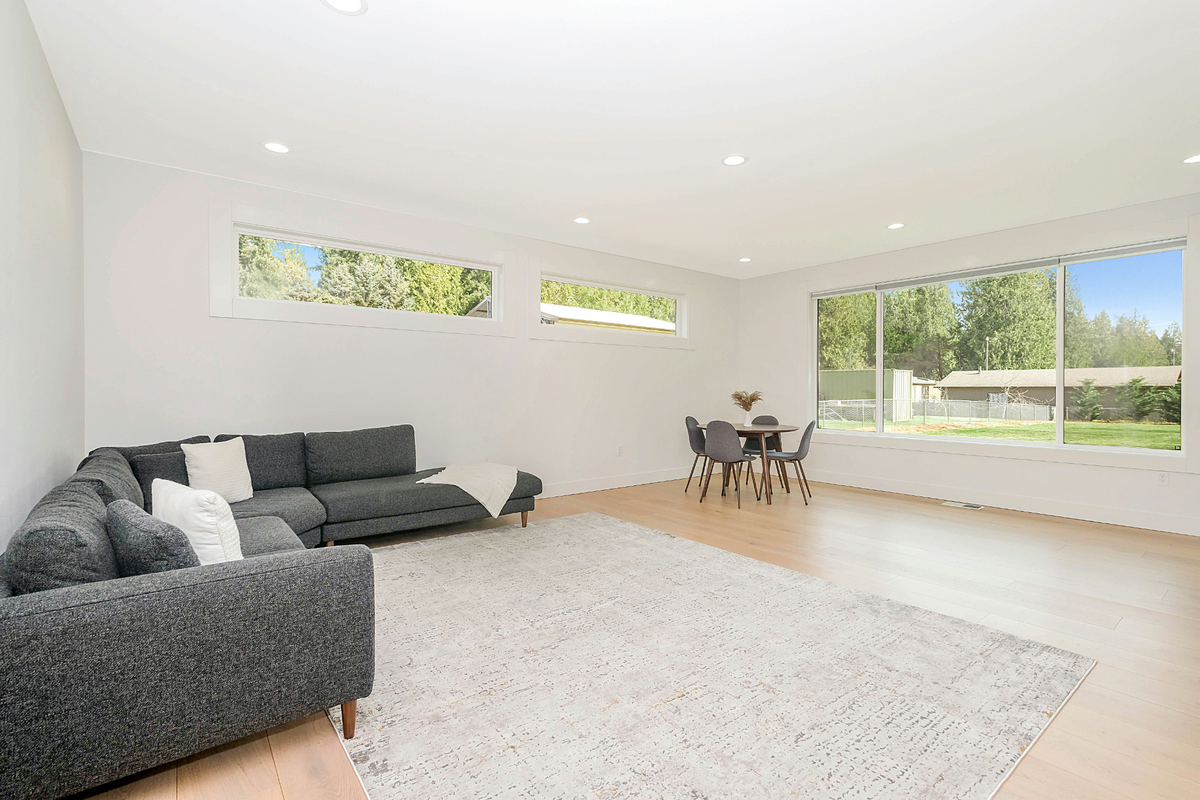
Sophisticated Living
Mastering Texture Layering
Balance Rough and Smooth
Every successful layered space balances contrasting textures. Pair rough with smooth, matte with glossy, hard with soft. If your sofa is smooth leather, add nubby linen pillows and a chunky knit throw. If floors are polished hardwood, layer soft area rugs. Combine sleek glass coffee tables with rough-hewn wooden side tables. This interplay prevents monotony and creates dynamic visual interest that holds attention without overwhelming senses.
Use the Rule of Three
Layer at least three different textures in any vignette or room section for optimal richness. For example, style a sofa with smooth leather upholstery, linen throw pillows, and a wool blanket. Arrange a console table with a smooth ceramic lamp base, woven basket, and rough wooden tray. Three textures create enough variety for interest without crossing into chaotic over-styling. This principle applies at both micro (styling a shelf) and macro (entire room) scales.
Consider Scale and Proportion
Vary texture scale as you would pattern size. Combine large-scale textures (chunky cable knit throw, wide-plank hardwood) with medium (linen curtains, woven rug) and small (tight velvet upholstery, fine leather). This size variation creates hierarchy and prevents visual competition. In small rooms, avoid exclusively large-scale textures that overwhelm; in large rooms, incorporate substantial textures to anchor the space and prevent it from feeling empty despite texture variety.
Layer Seasonally
Texture provides an excellent opportunity for seasonal refreshment without redecorating entirely. Swap heavy velvet and wool for lighter linen and cotton in summer. Replace faux fur throws with lightweight cotton blankets. Exchange thick pile rugs for flat-weave alternatives. This seasonal rotation keeps spaces feeling fresh and appropriate to climate while maintaining your core design aesthetic and color palette. It's an affordable way to honor seasonal rhythms in your home environment.
Don't Forget Walls and Ceilings
Texture isn't limited to furniture and accessories - walls and ceilings offer vast canvases for textural interest. Consider textured wallpaper, grasscloth, wood paneling, exposed brick, concrete finishes, or decorative plaster techniques. Add ceiling interest through exposed beams, coffered details, or textured paint. These architectural textures provide permanent foundation layers that set the stage for moveable textile and accessory layers throughout the room.
Maintain Cohesion Through Color
When layering many textures, maintain visual cohesion through limited color palette. Abundant texture in neutral tones creates sophisticated, gallery-like spaces where material variety shines without color competition. This approach is especially effective in modern, minimalist, or Scandinavian interiors where texture provides interest within restrained color schemes. If you prefer colorful spaces, use texture as grounding element that prevents vibrant hues from feeling chaotic or overwhelming.
Design with Texture & Depth
Use our AI design platform to explore texture combinations and layering strategies. Get personalized recommendations for creating rich, tactile spaces with sophisticated depth.