
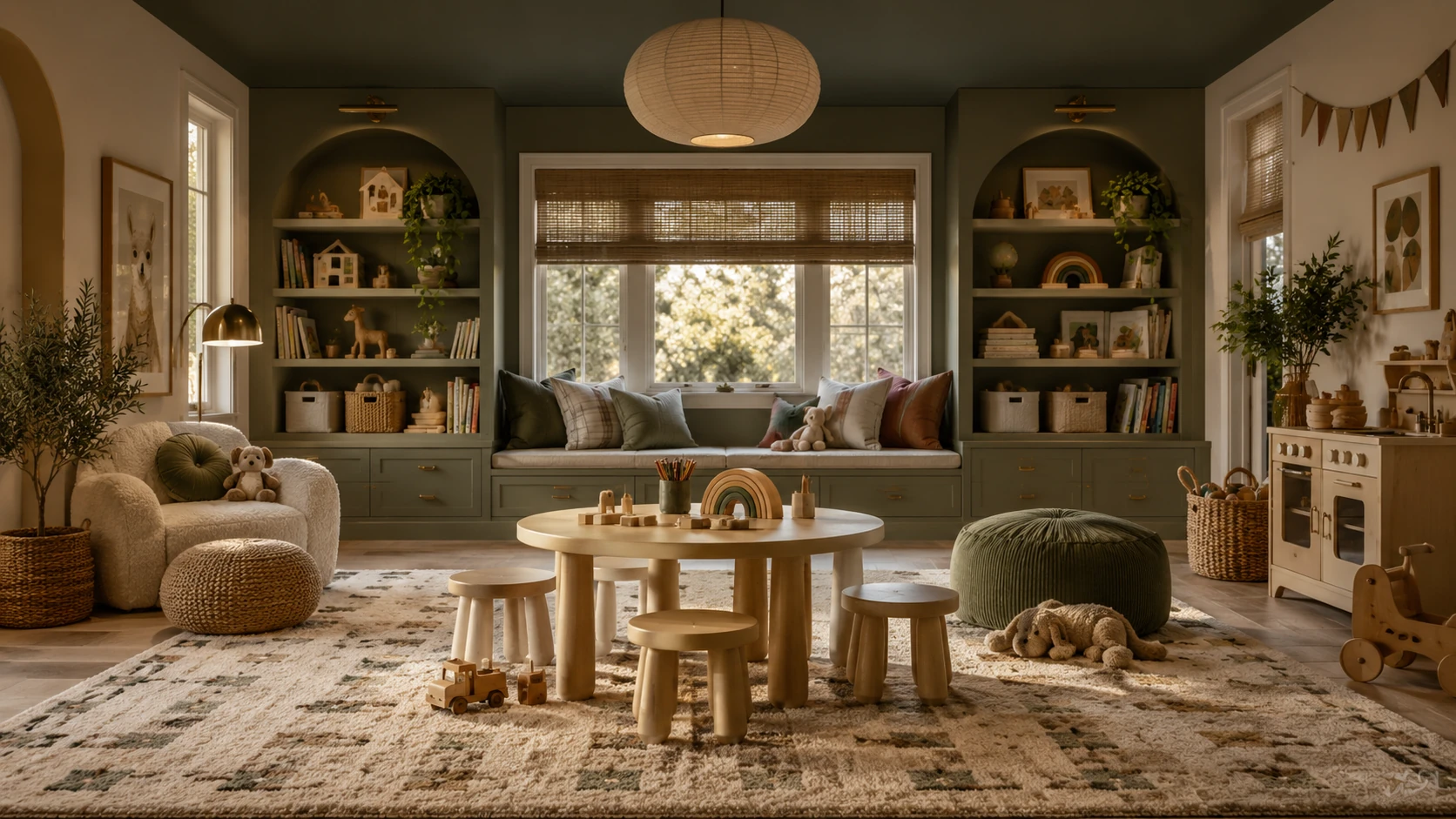
Kids Playroom Ideas
Imagination-sparking spaces with safe materials, easy storage and play-zone organization. 6 playful styles + 6 cheerful palettes.
- 6 playroom styles + 6 mood palettes
- 60-second photo-real renders
- Free to start


- Styles
- 6Styles
- Palettes
- 6Palettes
- Render time
- 60sRender time
- Designers
- 10K+Designers
Playroom Design Generator
Our AI Playroom Generator turns any photo of your playroom into a fully styled concept in under 60 seconds. Test layouts, palettes, and trending finishes before you commit a single dollar to a refresh or renovation.
6 AI Playroom Styles to Inspire You
From minimalist to maximalist — find your aesthetic and visualize it instantly.
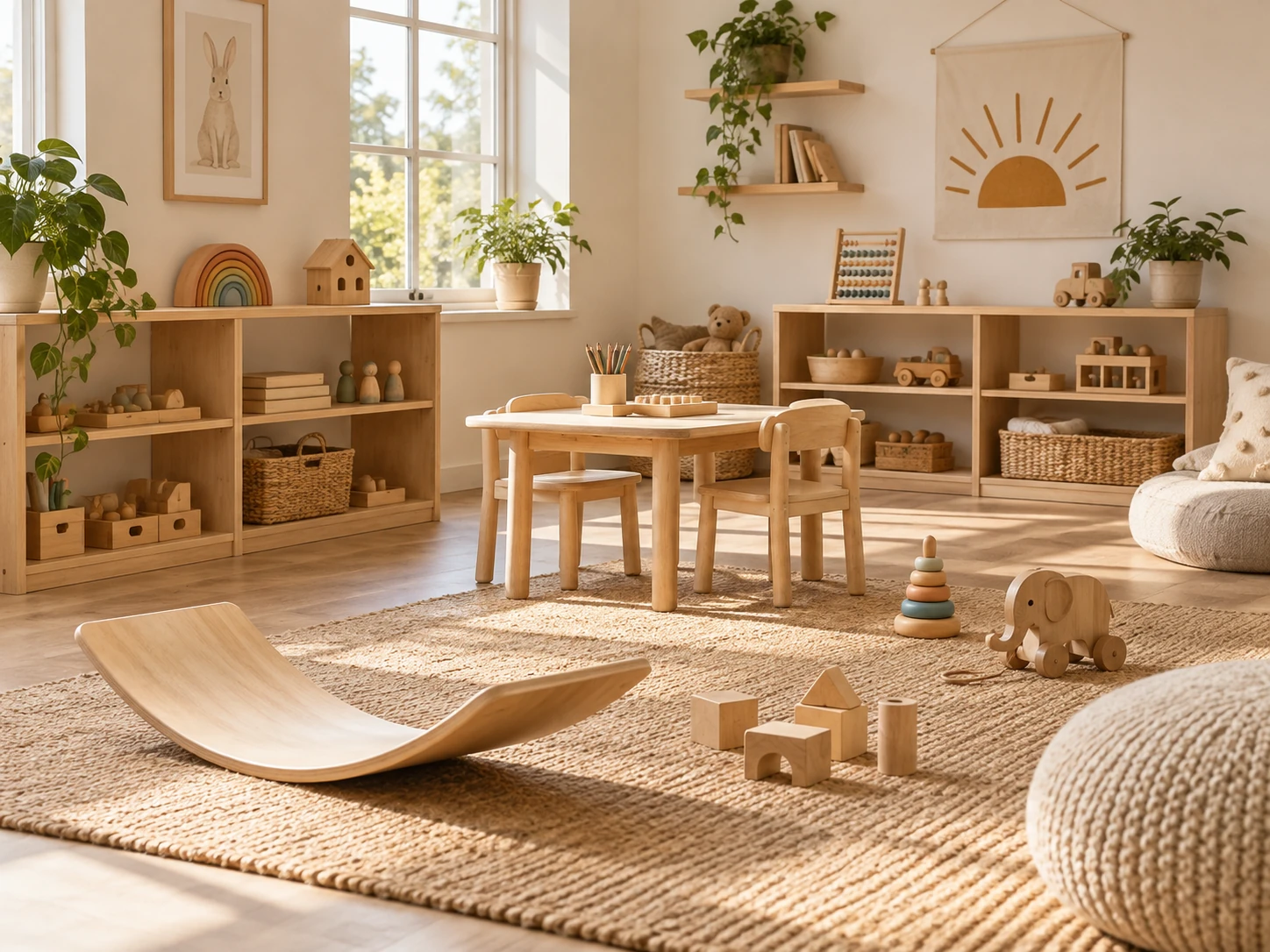
Montessori Natural
Low shelving, natural wood, child-scale furniture.
Best for: younger children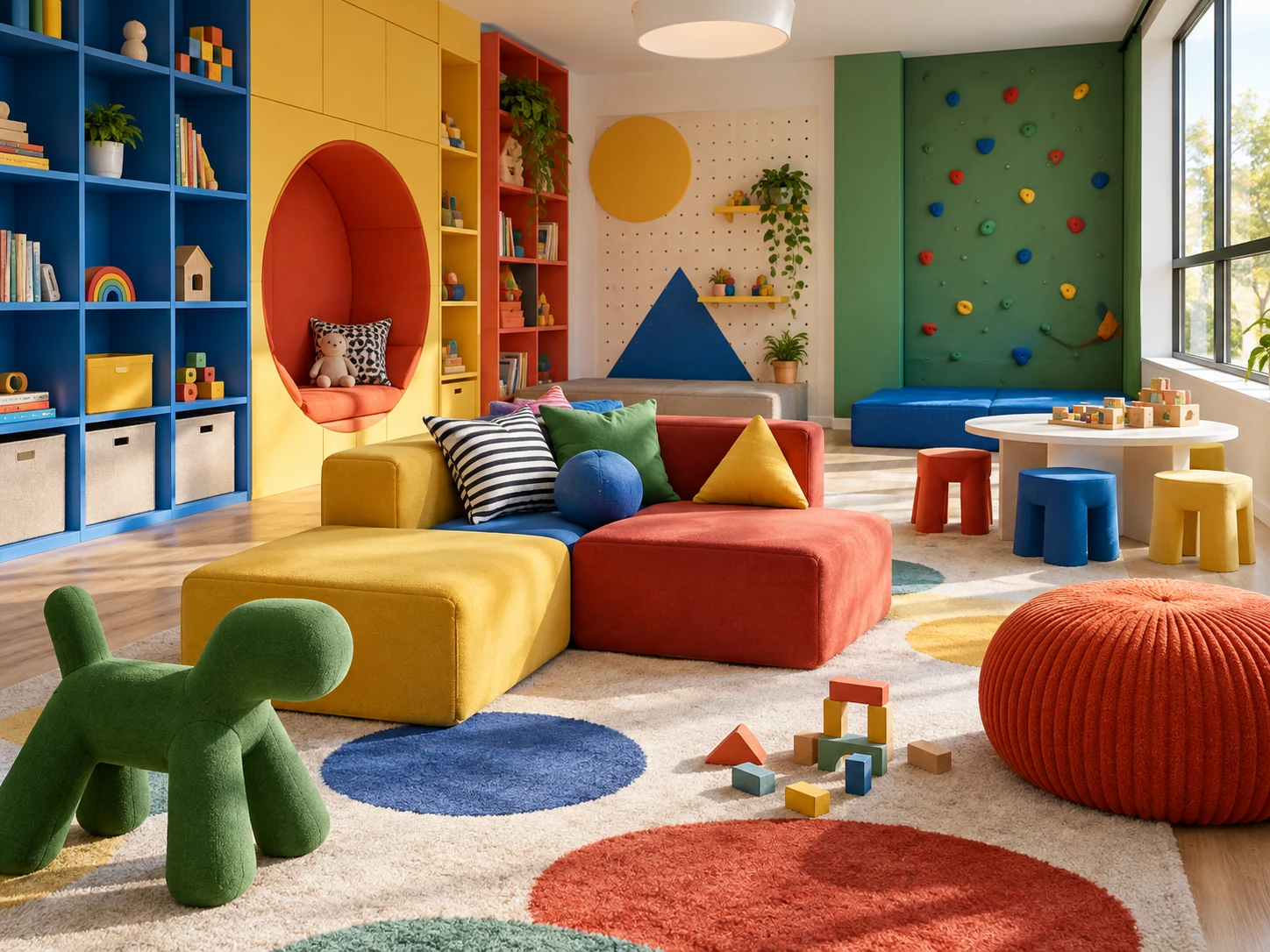
Color-Block Playroom
Bold color, modular furniture, playful shapes.
Best for: energetic spaces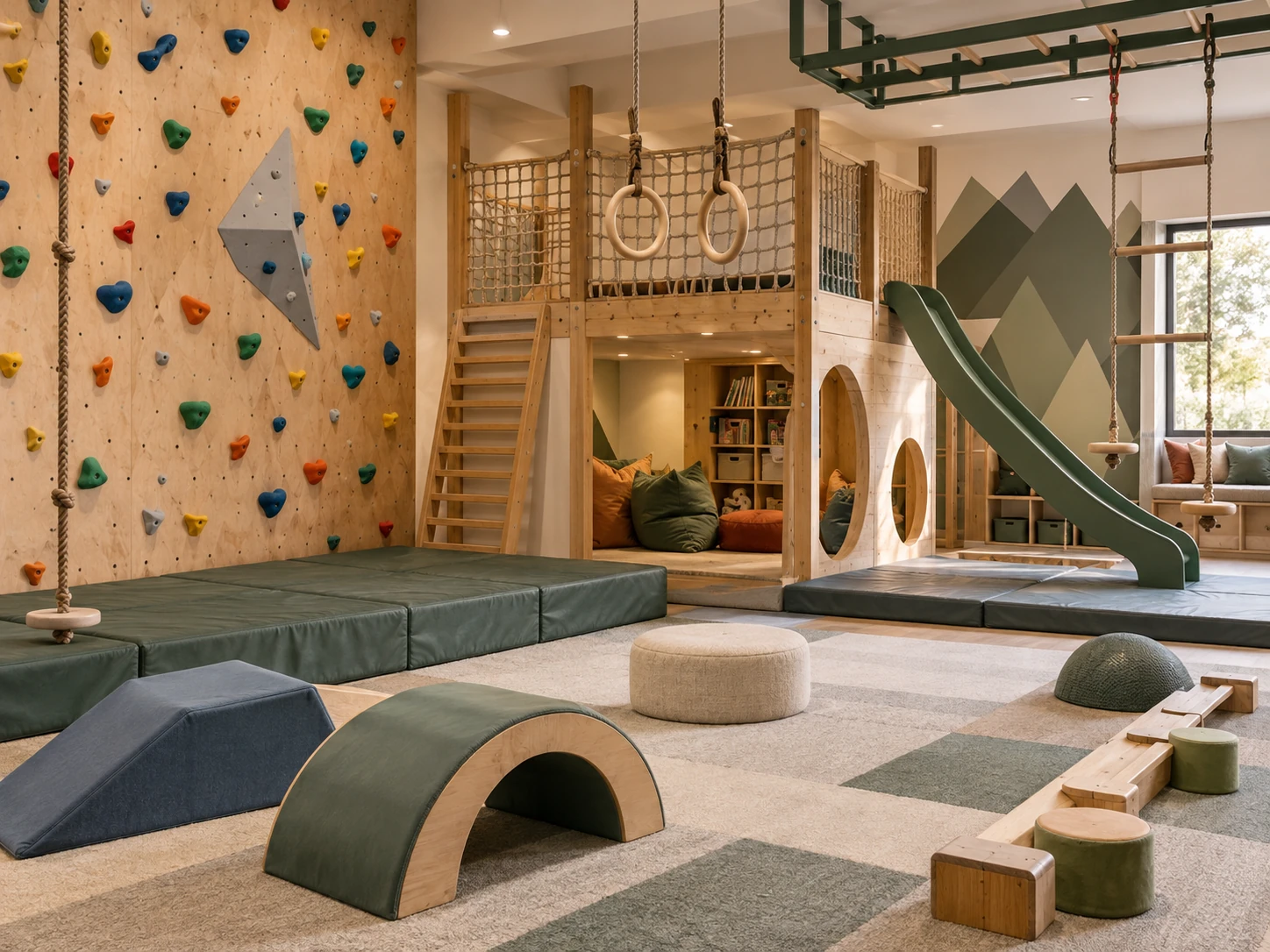
Indoor Adventure
Climbing wall, soft mats, active play zones.
Best for: active kids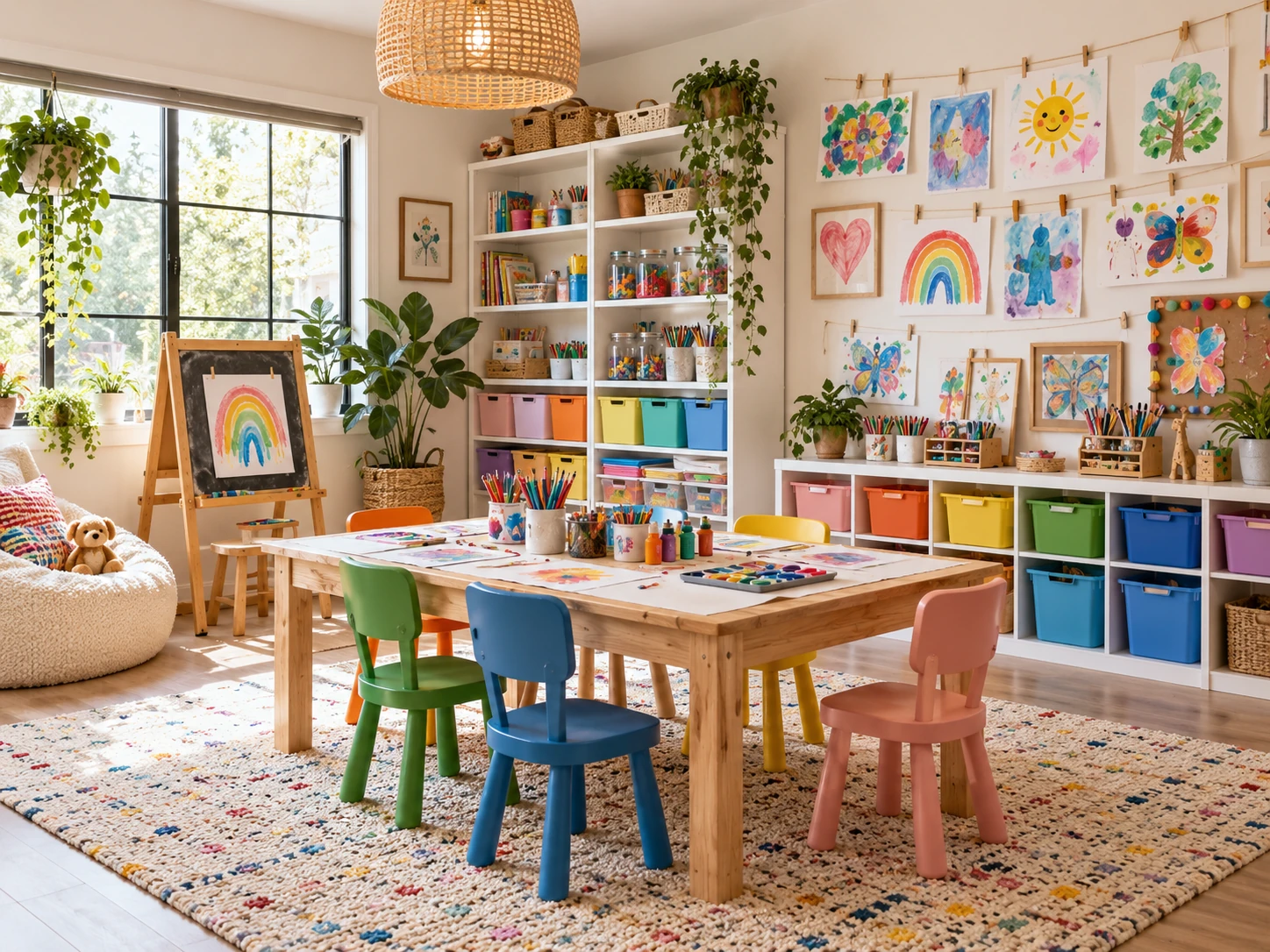
Creative Art Room
Art table, display wall, colorful storage.
Best for: creative children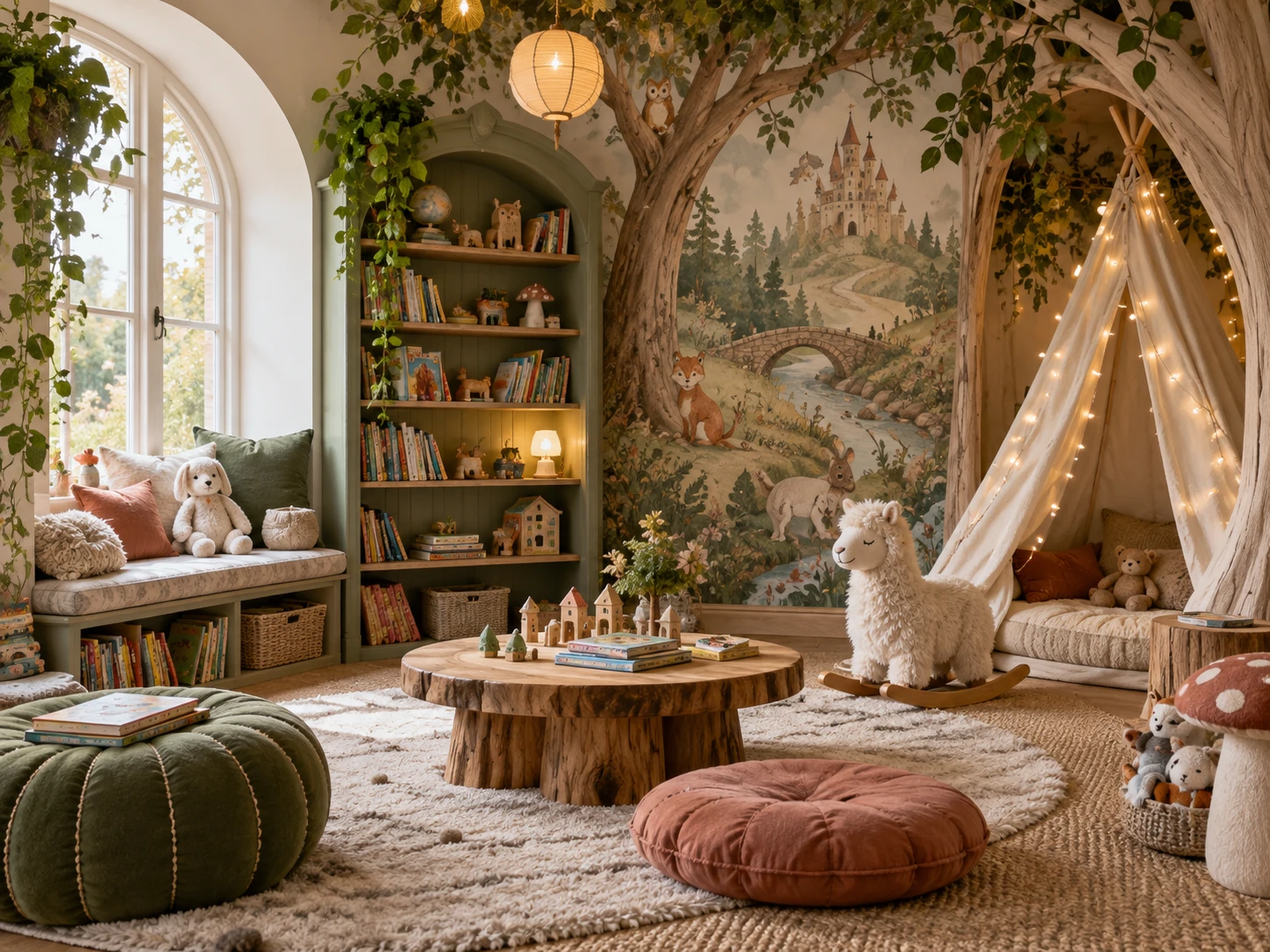
Storybook Nook
Murals, cozy seating, whimsical details.
Best for: imaginative play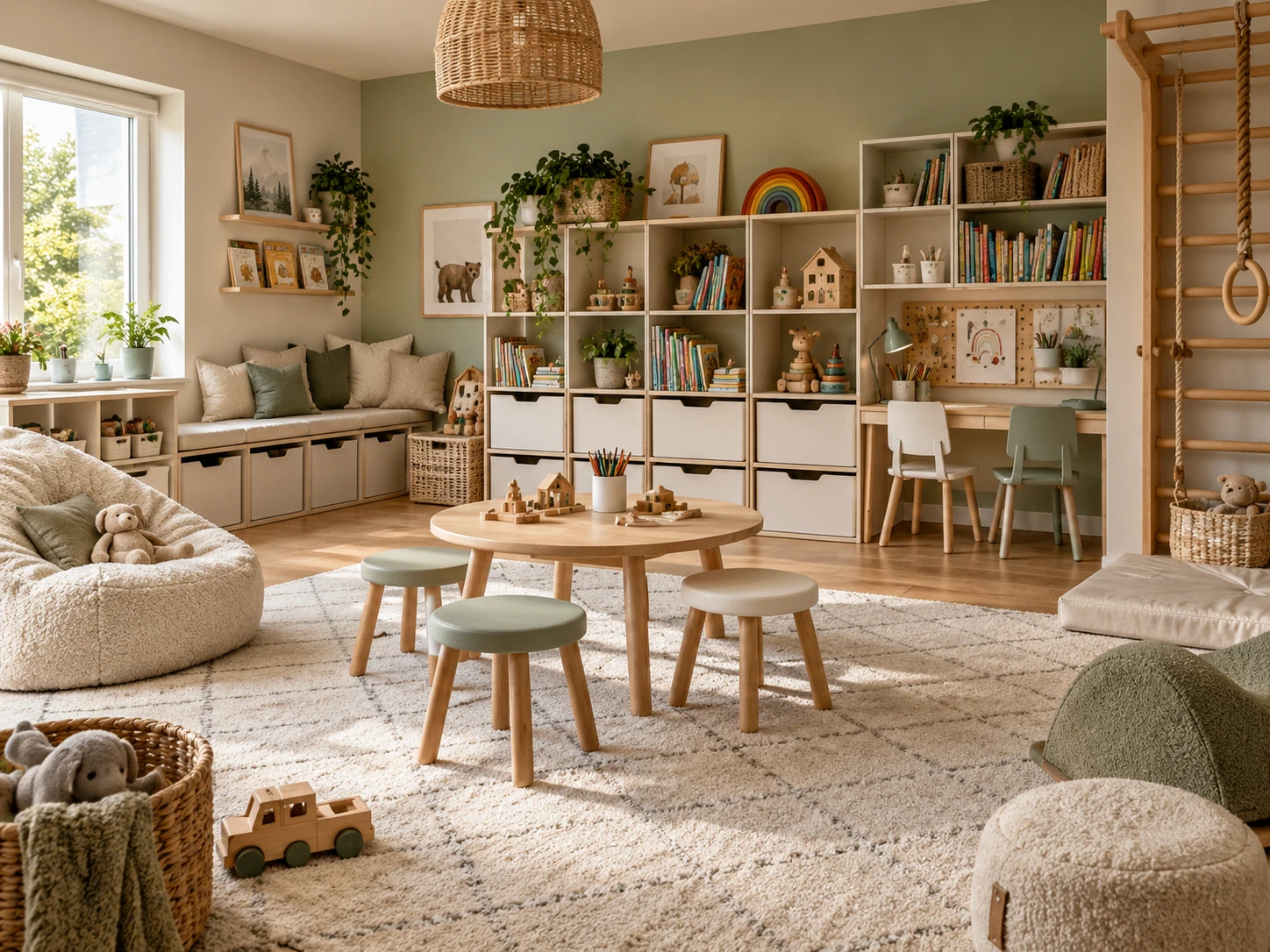
Grow-With-Me
Flexible storage, study zone, adaptable furniture.
Best for: growing families
Curated Playroom Palettes for Every Mood
6 designer-approved color combinations to set the perfect tone.
All White
Maximum light reflection
Best for: tiny roomsCream & Oak
Warm whites with light wood
Best for: studiosSoft Sage
Calming green with creams
Best for: small bedroomsPale Blue Sky
Sky-light expansion
Best for: low-light roomsGreige
Warm gray neutrals
Best for: any small roomSoft Blush
Romantic pink tones
Best for: feminine compact rooms
Smart Playroom Space Planning
Data-driven furniture placement and spatial strategies that actually work.
Min Footprint
A playroom needs at least 100 sq ft for a play zone + storage. 150-200 sq ft fits a reading nook + craft table.
Open Floor Zone
Reserve at least 60% of floor area as open play space. Push storage and tables to the perimeter.
Storage at Kid Height
Bins under 36 inches encourage self-clean-up; clear front bins help kids find toys without dumping everything.
Activity Zones
Carve out 4 zones: active play (4×6 ft open), reading nook (3×4 ft), art station (table + storage), and pretend play (kitchen, dollhouse).
Common Playroom Mistakes & How to Avoid Them
Pro tips on what NOT to do — and what works instead.
Three-Layer Lighting
Don'tRely on a single overhead in your playroom — flat, harsh light.
DoCombine ambient ceiling, task at work surfaces, and accent at art on dimmers.
Tonal Palette
Don'tUse 5+ saturated colors in one playroom — visually chaotic.
DoApply 60-30-10: 60% dominant, 30% secondary, 10% accent in tonal harmony.
Right-Sized Furniture
Don'tCram oversized pieces into a tight playroom.
DoMeasure clearances first, then choose furniture scaled to room dimensions.
Single Focal Point
Don'tSpread visual weight evenly with no anchor — feels disorganized.
DoPick one focal point and arrange everything in the playroom around it.
Texture Mix
Don'tStick to one fabric or finish everywhere — feels lifeless.
DoMix at least 3 textures (wood, textile, metal/stone) for tactile depth.
2026 Playroom Design Trends
The latest playroom trends shaping interiors this year.
- Active2026
Climbing Walls + Pikler Triangles
Indoor climbing structures and Montessori climbing equipment are the #1 2026 playroom upgrade.
- Creativity2026
Chalkboard + Magnetic Walls
Full accent walls in chalkboard or magnetic primer become endless creative canvases.
- Color2026
Calm Backgrounds
Neutral walls + colorful toys read more sophisticated than primary-color rooms; toys provide the color.
- Reading2026
Reading Nooks
Built-in window benches, teepees, and canopy beds create cozy reading hideaways.
What Designers & Realtors Say
Real users on how AI playroom design changed their workflow.
"We argued about the storage at kid height for weeks. Seeing our own playroom rendered settled it in one evening."
Kira NovakHomeowner "It is the fastest way I know to kill a bad playroom idea politely."
Caleb NwosuDesign-Build Lead
Frequently Asked Questions
Everything you need to know before getting started.
What size space does a kids playroom need?
Most kids playrooms work in 100-200 sq ft. Home gyms need 8'6" minimum ceiling and 35 sq ft per machine; theaters need 1.5x screen-width viewing distance; gaming rooms need 6 ft of desk width per station.
What is the cost to build a kids playroom?
Basic kids playroom setups (paint, furniture, equipment) start at $2,000. Mid-range builds with custom storage and pro-grade equipment run $10,000-$30,000. High-end kids playrooms with built-ins exceed $50,000.
What flooring works best in a kids playroom?
Match the floor to the activity: rubber for gyms, plush carpet or acoustic underlay for theaters, sealed concrete for craft and bar spaces, and engineered wood with rugs for libraries and meditation rooms.
How do I light a kids playroom properly?
Specialty rooms need scenes, not single switches. Use dimmable LED on multiple zones, add task lighting at every work surface, and consider colored or smart bulbs for theaters and gaming setups.
Can I add a kids playroom to a basement or attic?
Yes - both are popular kids playroom locations. Confirm minimum 7 ft ceiling, add proper insulation and ventilation, address moisture in basements first, and plan dedicated electrical circuits for equipment.
Explore more functional room ideas
Ready to Design Your Playroom?
Visualize playroom concepts with AI in 60 seconds.
- Instant room makeovers
- Professional staging
- Virtual tour and more